
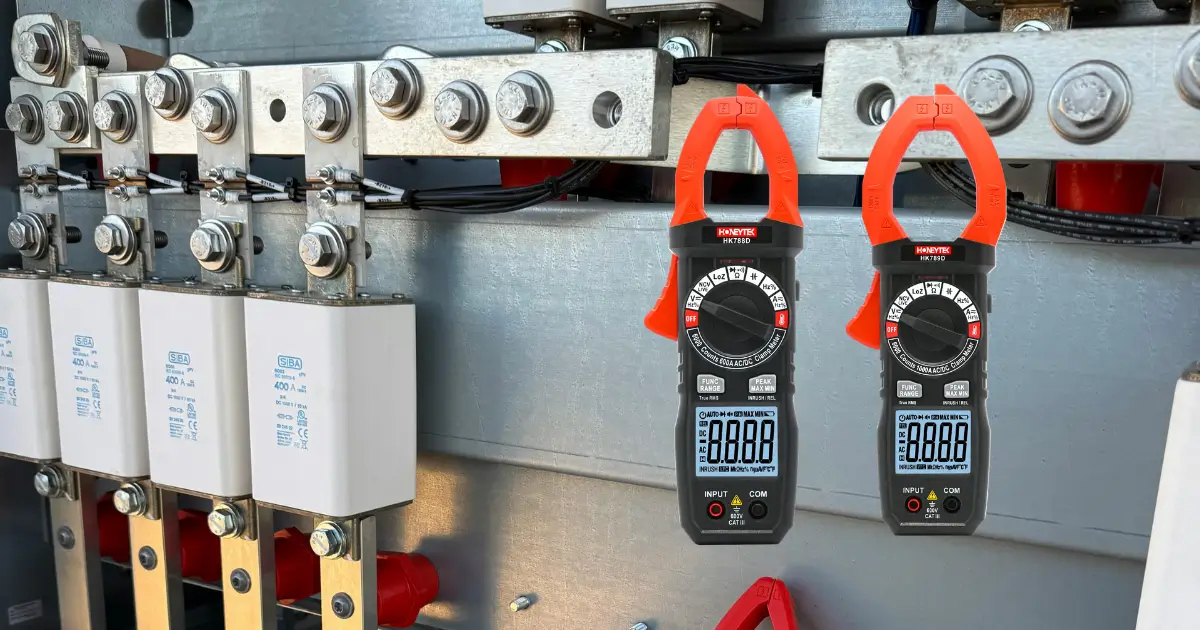
HK788 & HK789 True RMS Large Current Clamp Meter for Professional Electrical Testing
In modern electrical maintenance and industrial troubleshooting, electricians need more than just a basic clamp meter. Tight wiring spaces, unstable readings, and limited measurement functions can slow down work and
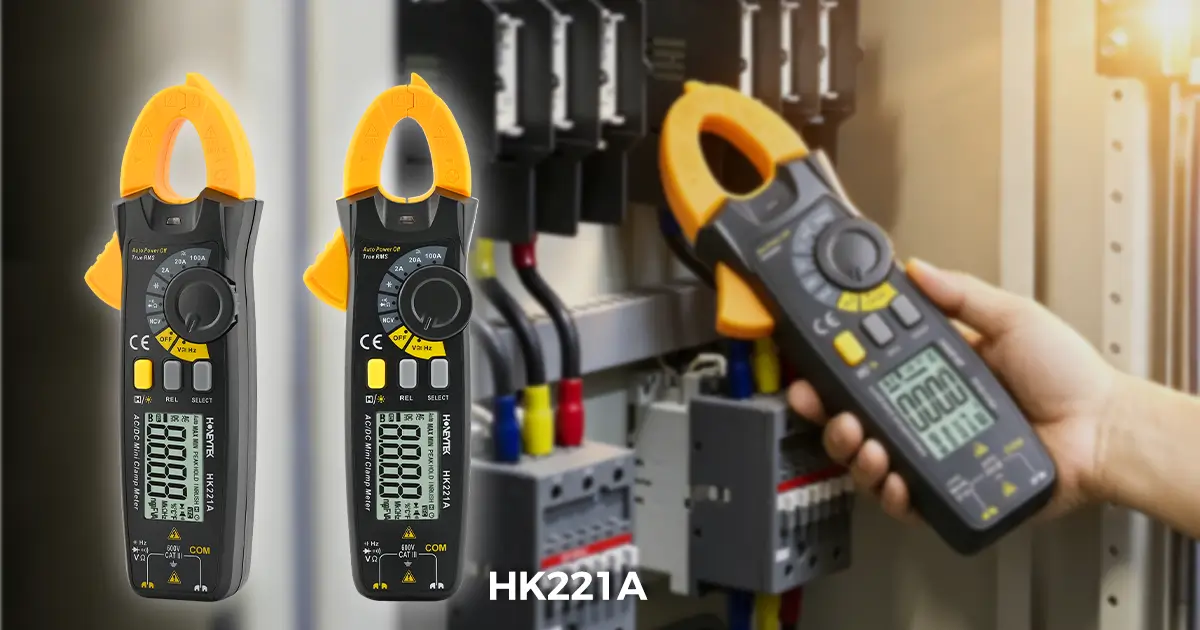
Small Current Clamp Meter: Definition, Applications,Choose
In modern electrical troubleshooting, measuring extremely low current accurately is becoming more important than ever. Whether you are diagnosing vehicle battery drain, checking leakage current in industrial systems, or monitoring
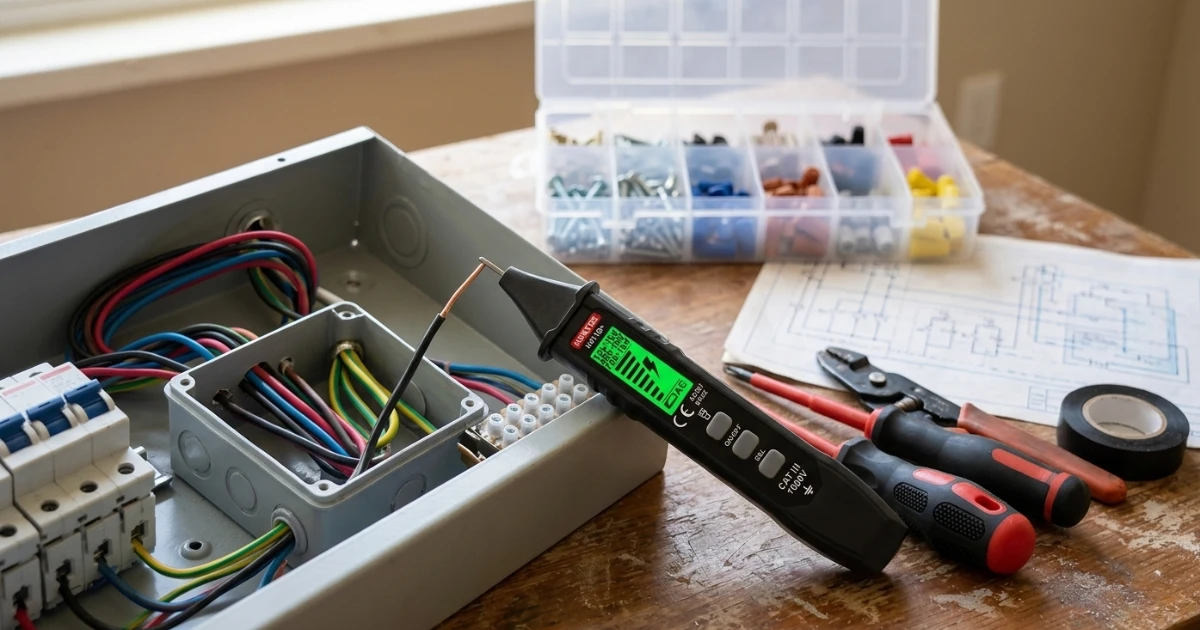
HK11B+ AC Voltage Detector: The Complete Guide for Electricians and DIY Users
When it comes to electrical safety, a non-contact AC voltage detector is one of the most essential tools for troubleshooting and field diagnostics. The Honeytek HK11B+ AC Voltage Detector stands
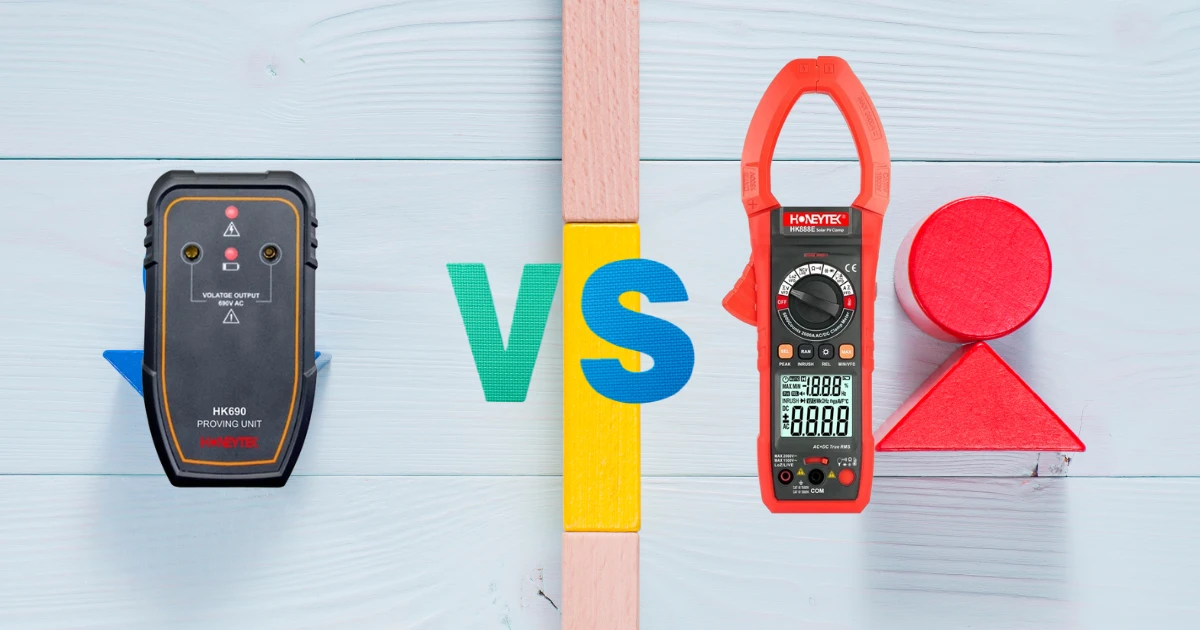
Kalibrierung mit Prüfgeräten vs. Multimetern: Was ist der Unterschied und warum ist er wichtig?
In electrical testing, two concepts are frequently misunderstood—even among experienced technicians: proving units and multimeter calibration. If you’ve searched for “proving unit vs multimetre calibration”, this guide provides a clear,
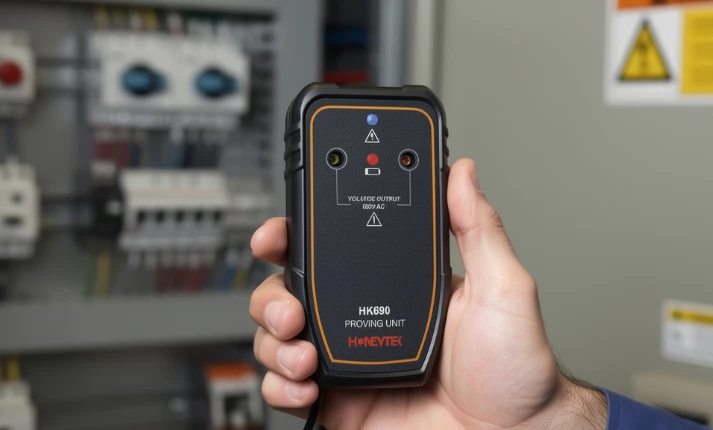
What is a proving unit for electrical testers
In electrical testing, one of the most overlooked risks is false confidence in a faulty tester. This is exactly why proving units exist. If you’ve ever asked “what is a
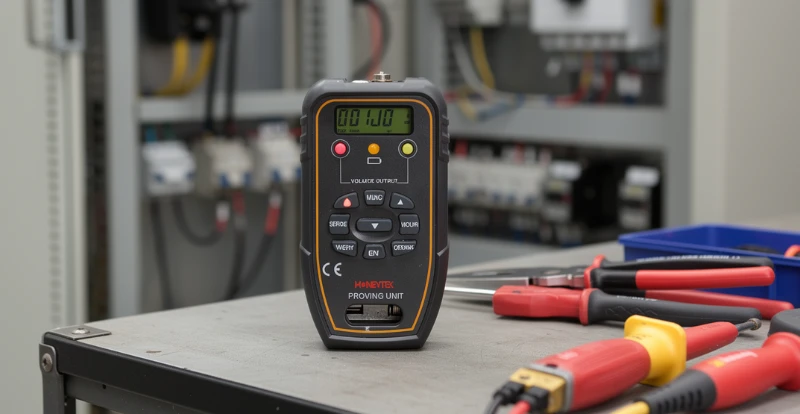
Honeytek vs Martindale Proving Unit: A Practical Engineer’s Comparison (HK690 Focus)
When working with voltage testers and multimeters in live environments, verifying instrument functionality is not optional—it is a mandatory safety step. A proving unit provides a known, stable voltage source
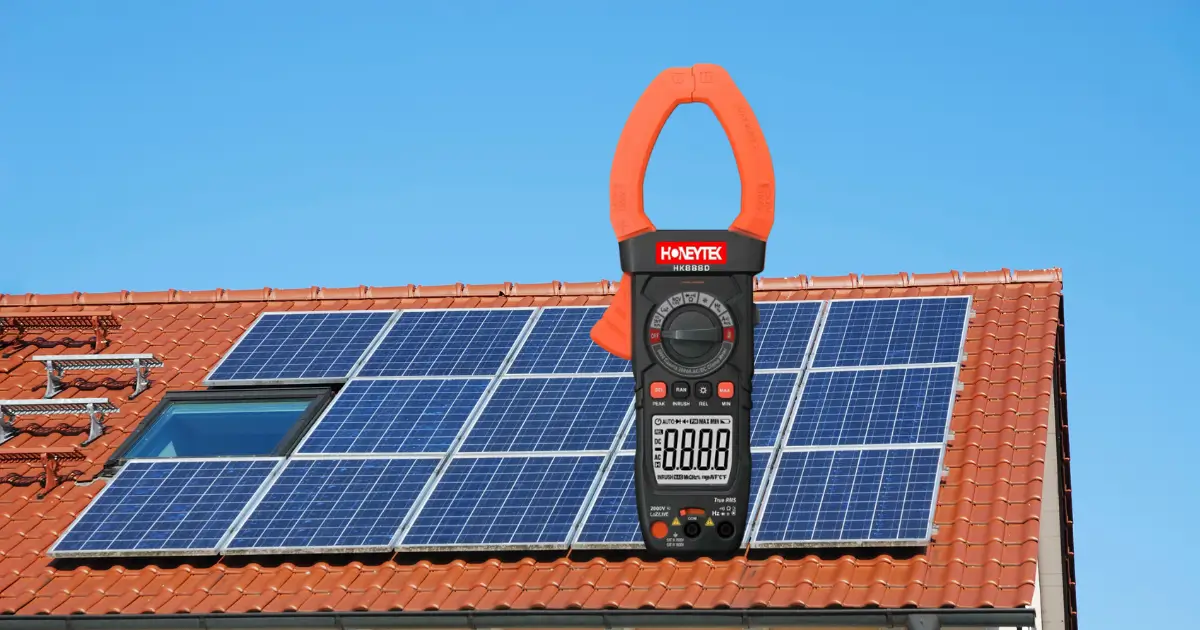
How to Measure DC Current in a Photovoltaic (PV) System Using Clamp Meter
Measuring DC current in a photovoltaic (PV) system is a routine but critical task during installation, commissioning, and ongoing maintenance. Unlike traditional inline measurements, a DC clamp meter allows you
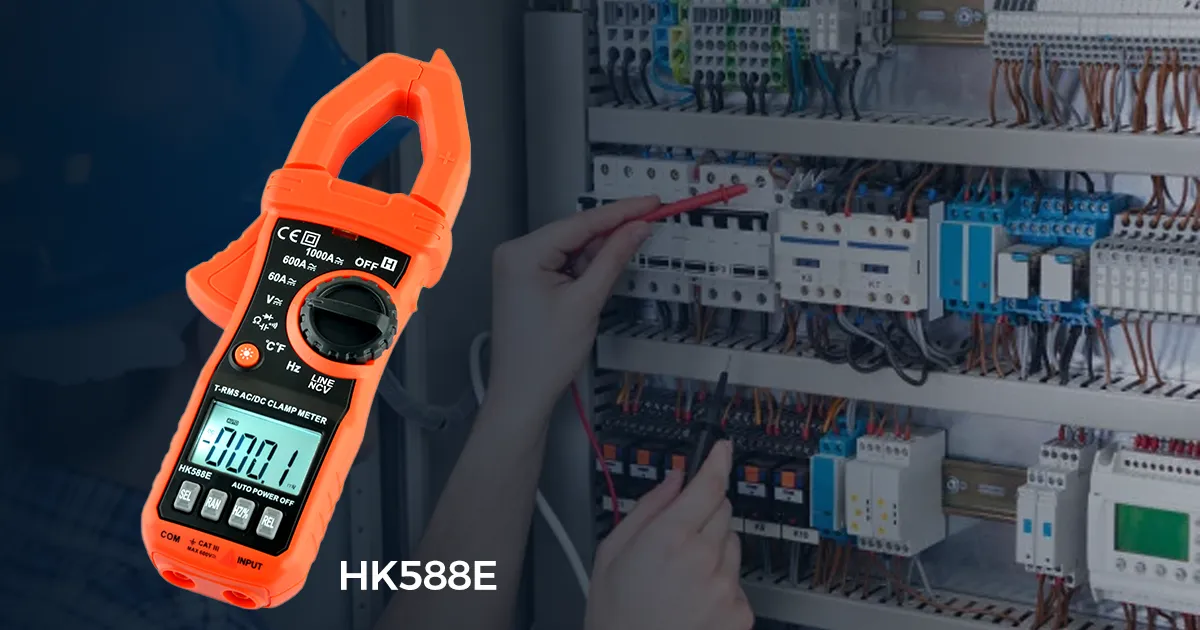
AC-Only vs. AC/DC Clamp Meters: Choosing the Right Tool for Your Electrical Applications
When planning electrical work—whether for commercial buildings, industrial facilities, or modern energy systems—measurement accuracy and application suitability are critical. Using the right clamp meter not only improves efficiency, but also
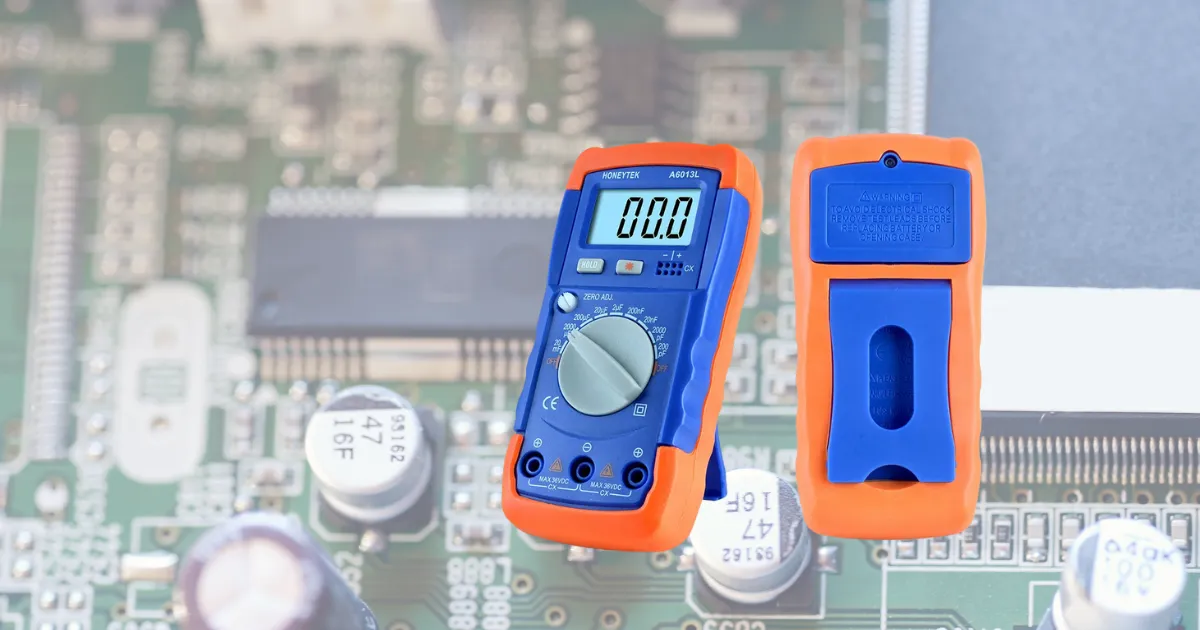
Why Handheld Capacitance Meters Struggle With Small-Capacitor Measurements
When you’re working with modern electronics, especially high-frequency or precision circuits, small capacitors—those in the few picofarads to a few hundred picofarads range—play an outsized role. They stabilize oscillators, tune
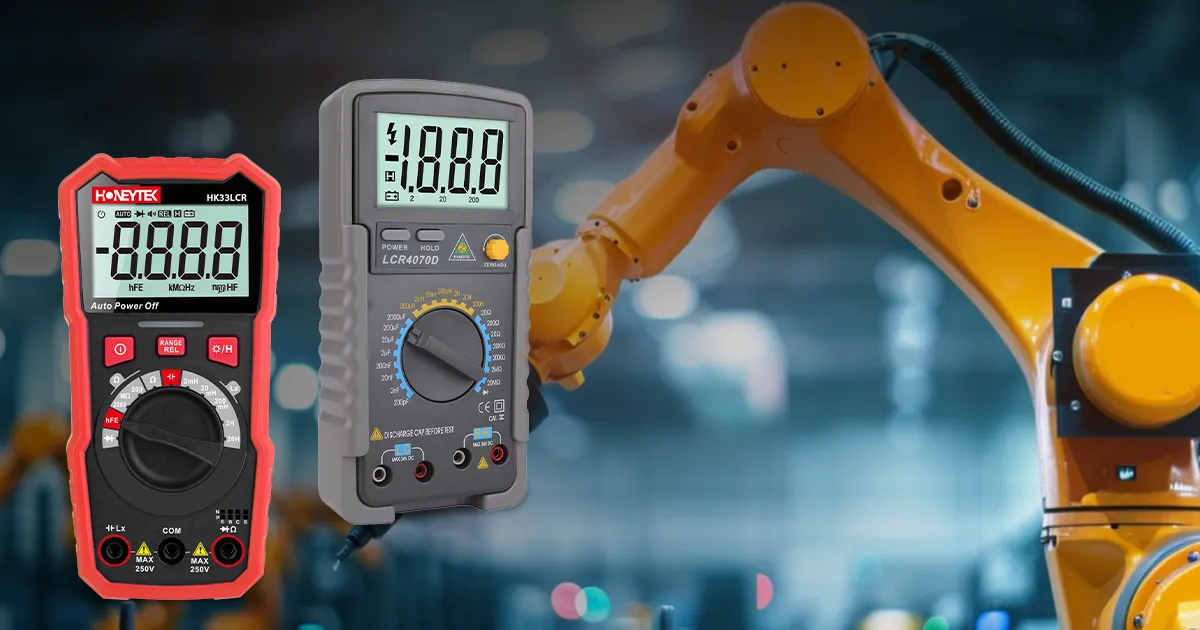
Accuracy Comparison of Digital Multimeters, Portable Capacitance Meters, and LCR Meters
Capacitor measurement is one of the most common tasks in electronics repair, component evaluation, R&D testing, and field diagnostics. Yet the accuracy you can realistically expect differs dramatically depending on
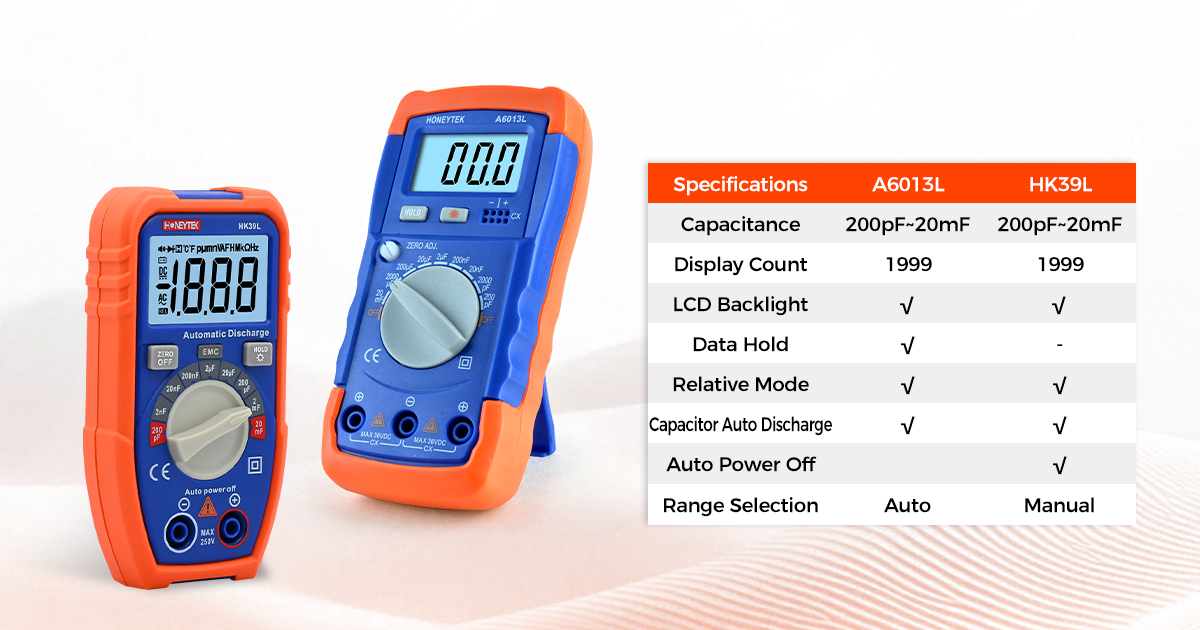
Portable Capacitance Meter vs. LCR Meter: What’s the Real Difference?
When you’re testing components, not all measurement tools are built the same. A portable capacitance meter and an LCR meter may look similar on your bench, but their purpose, depth
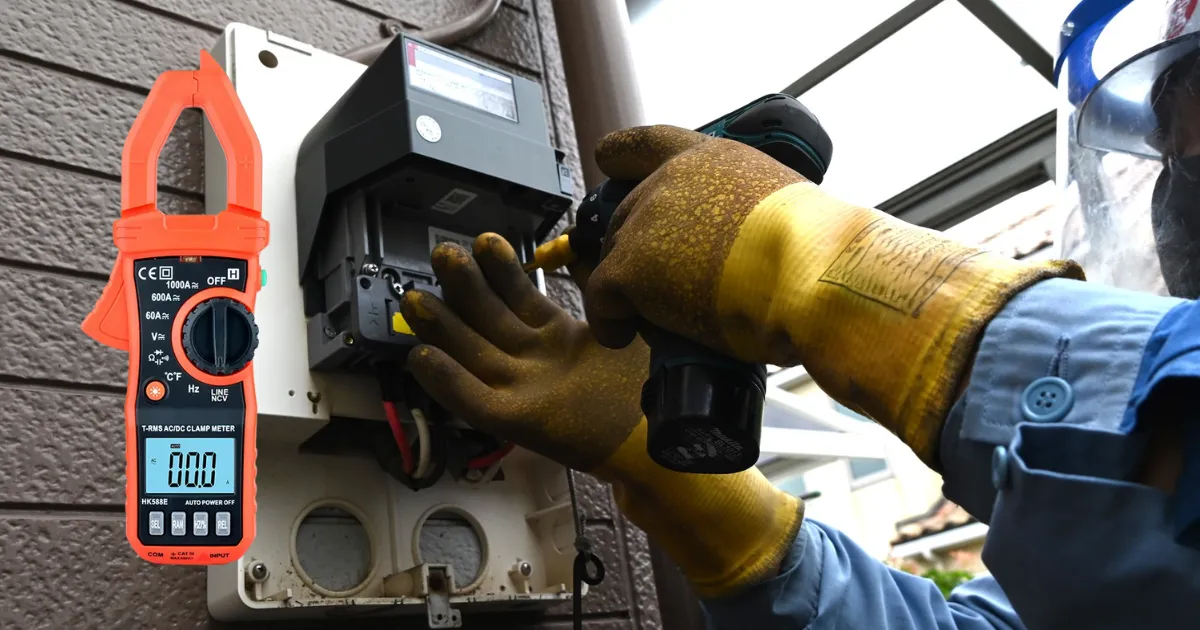
How to Measure DC Current with Clamp Meter
When you need to measure DC current without breaking a circuit, a Hall-effect AC/DC clamp meter is one of the safest and most efficient tools you can use. But accuracy
 English
 Português
 Español
 Français
 Deutsch
 العربية
 Русский