
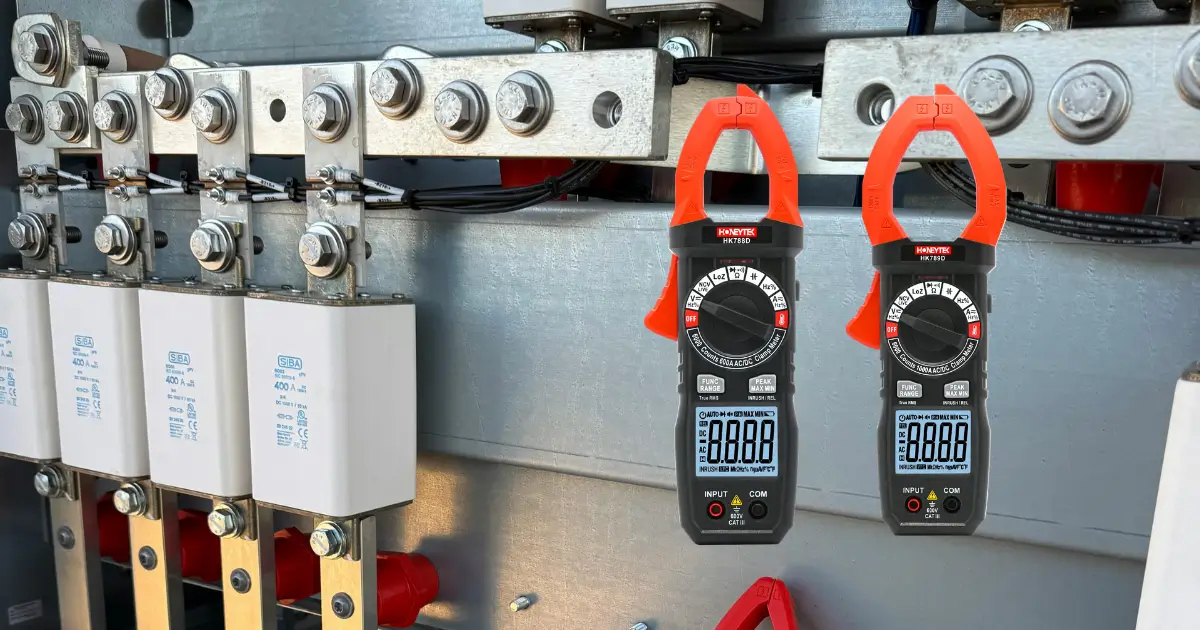
HK788 & HK789 True RMS Large Current Clamp Meter for Professional Electrical Testing
In modern electrical maintenance and industrial troubleshooting, electricians need more than just a basic clamp meter. Tight wiring spaces, unstable readings, and limited measurement functions can slow down work and
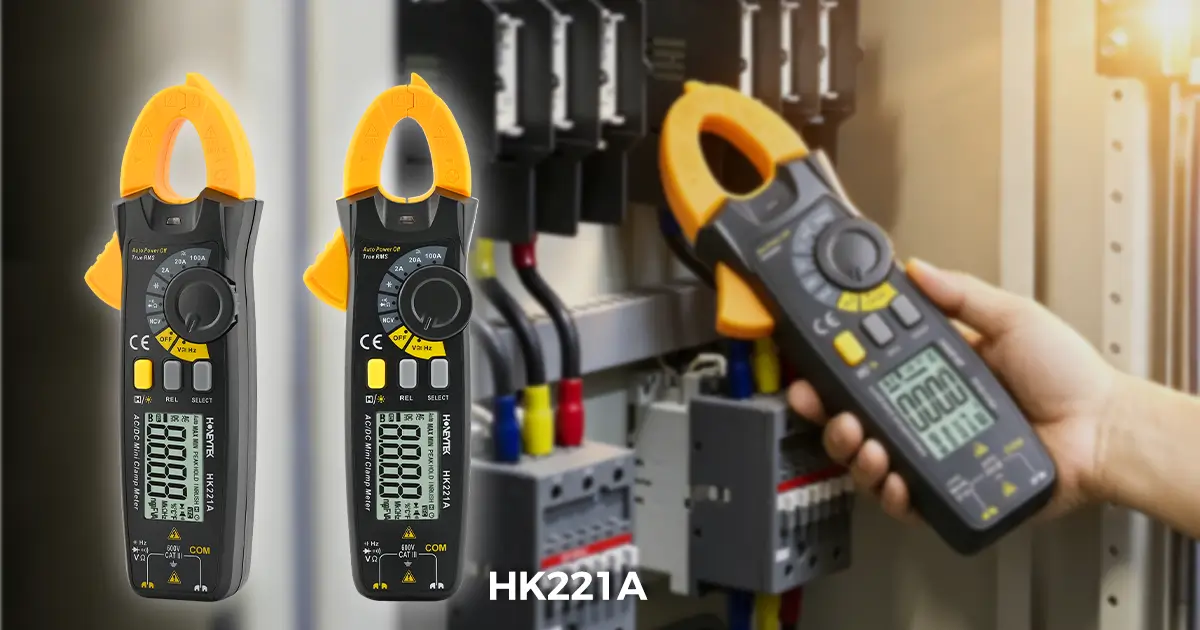
Small Current Clamp Meter: Definition, Applications,Choose
In modern electrical troubleshooting, measuring extremely low current accurately is becoming more important than ever. Whether you are diagnosing vehicle battery drain, checking leakage current in industrial systems, or monitoring
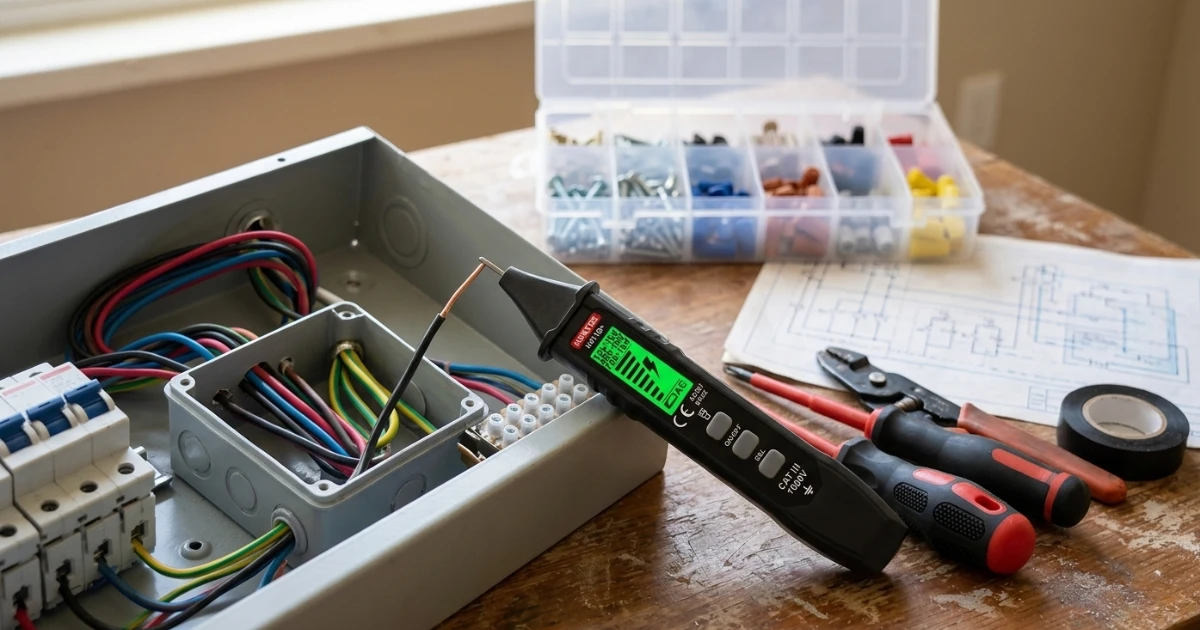
HK11B+ AC Voltage Detector: The Complete Guide for Electricians and DIY Users
When it comes to electrical safety, a non-contact AC voltage detector is one of the most essential tools for troubleshooting and field diagnostics. The Honeytek HK11B+ AC Voltage Detector stands
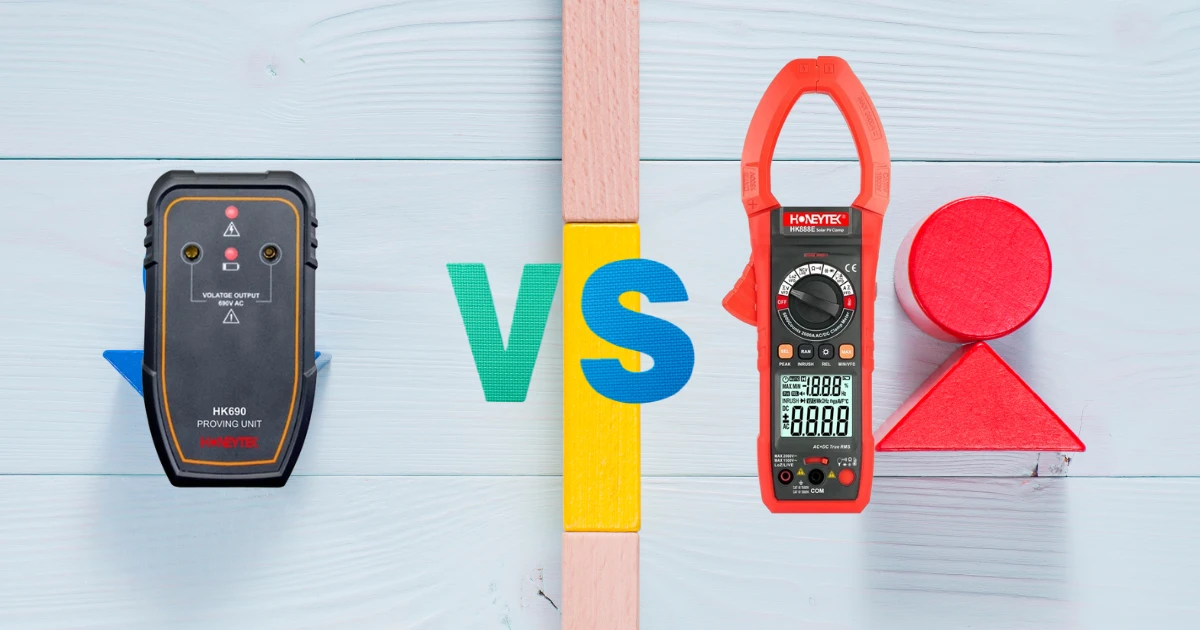
Калибровка с помощью испытательного устройства и с помощью мультиметра: в чём разница и почему это важно
In electrical testing, two concepts are frequently misunderstood—even among experienced technicians: proving units and multimeter calibration. If you’ve searched for “proving unit vs multimetre calibration”, this guide provides a clear,
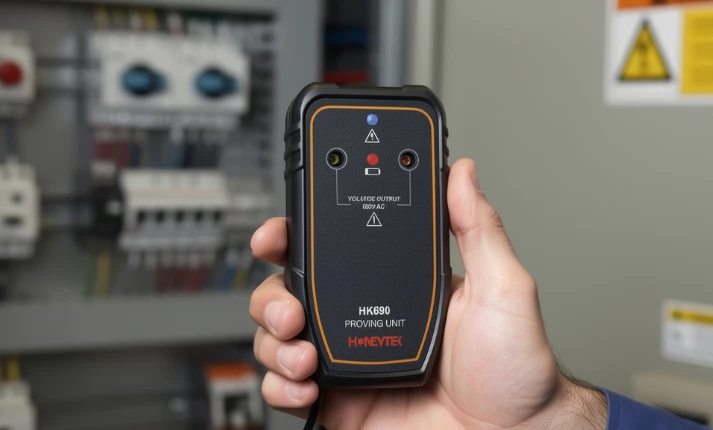
What is a proving unit for electrical testers
In electrical testing, one of the most overlooked risks is false confidence in a faulty tester. This is exactly why proving units exist. If you’ve ever asked “what is a
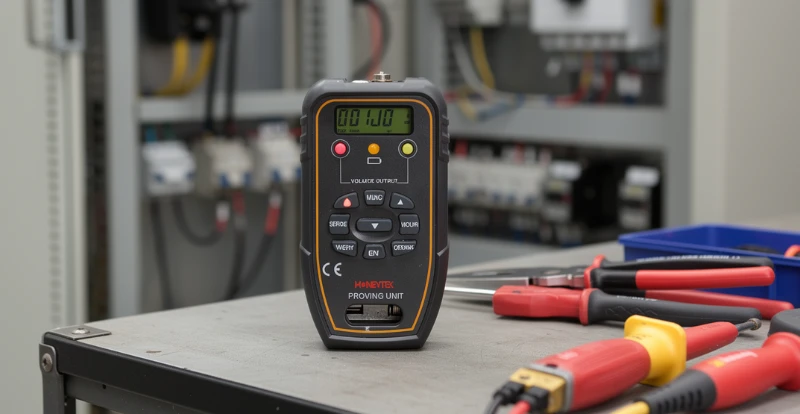
Honeytek vs Martindale Proving Unit: A Practical Engineer’s Comparison (HK690 Focus)
When working with voltage testers and multimeters in live environments, verifying instrument functionality is not optional—it is a mandatory safety step. A proving unit provides a known, stable voltage source
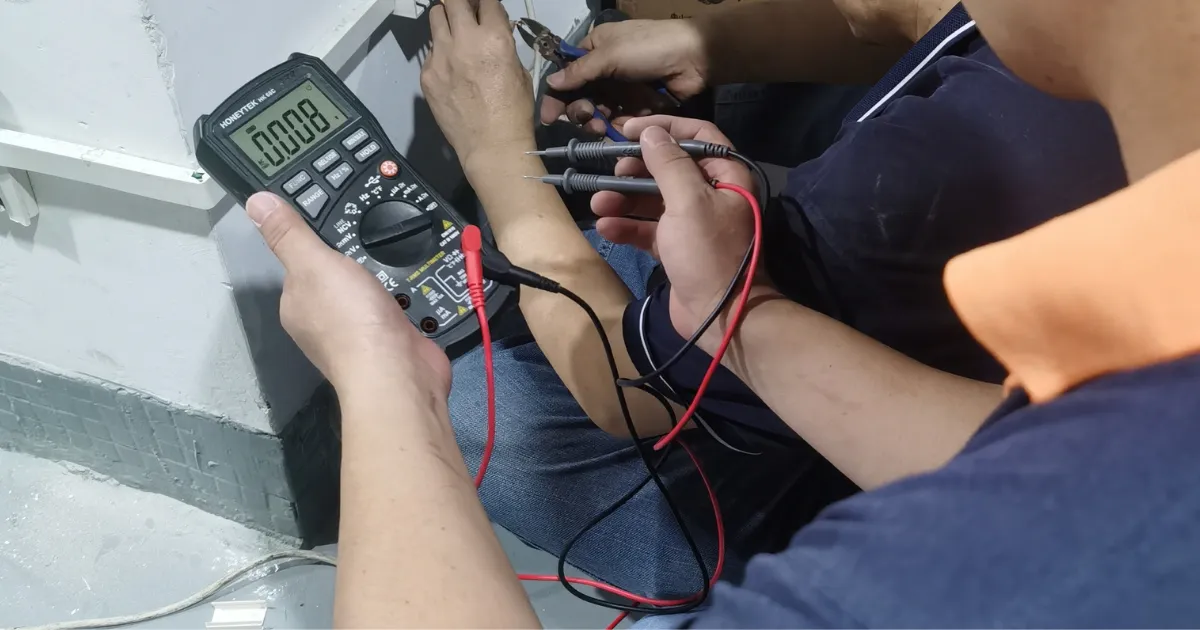
How to Measure Leakage Current by Clamping Live and Neutral
How to Measure Leakage Current With a Clamp Meter by Clamping Live + Neutral Clamping live (L) and neutral (N) together is one of the fastest field methods to check
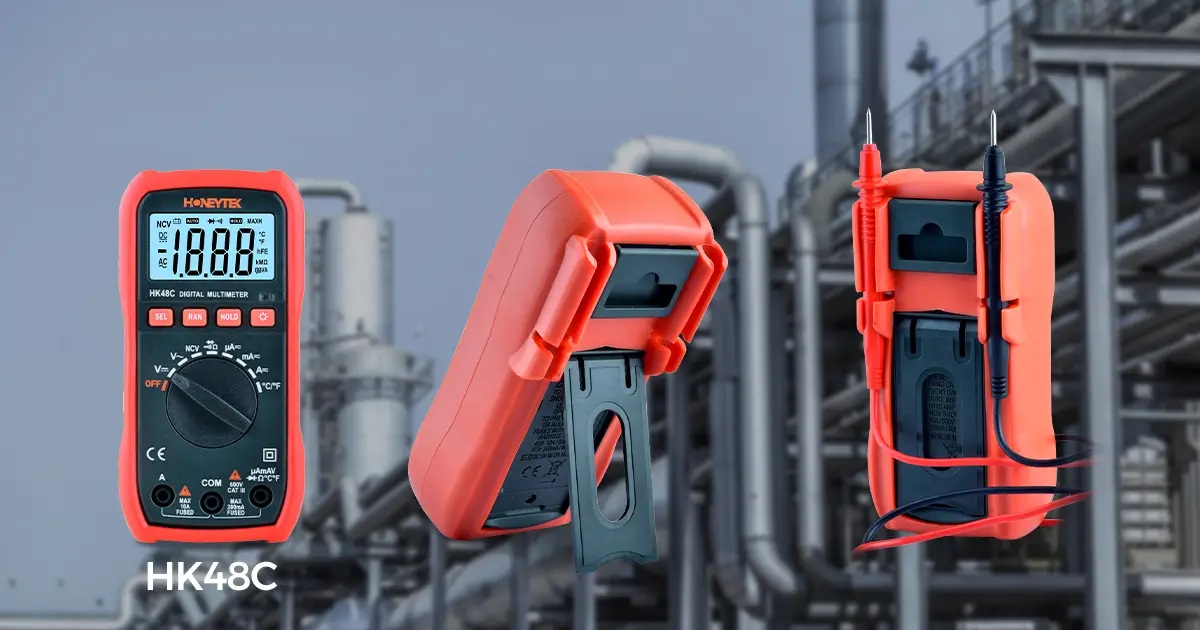
AC vs DC Leakage Current Measurement: Key Differences & Tips
AC vs DC Leakage Current Measurement: Differences and Safety Notes Leakage current testing is one of the most practical ways to spot insulation problems, moisture ingress, wiring faults, and aging
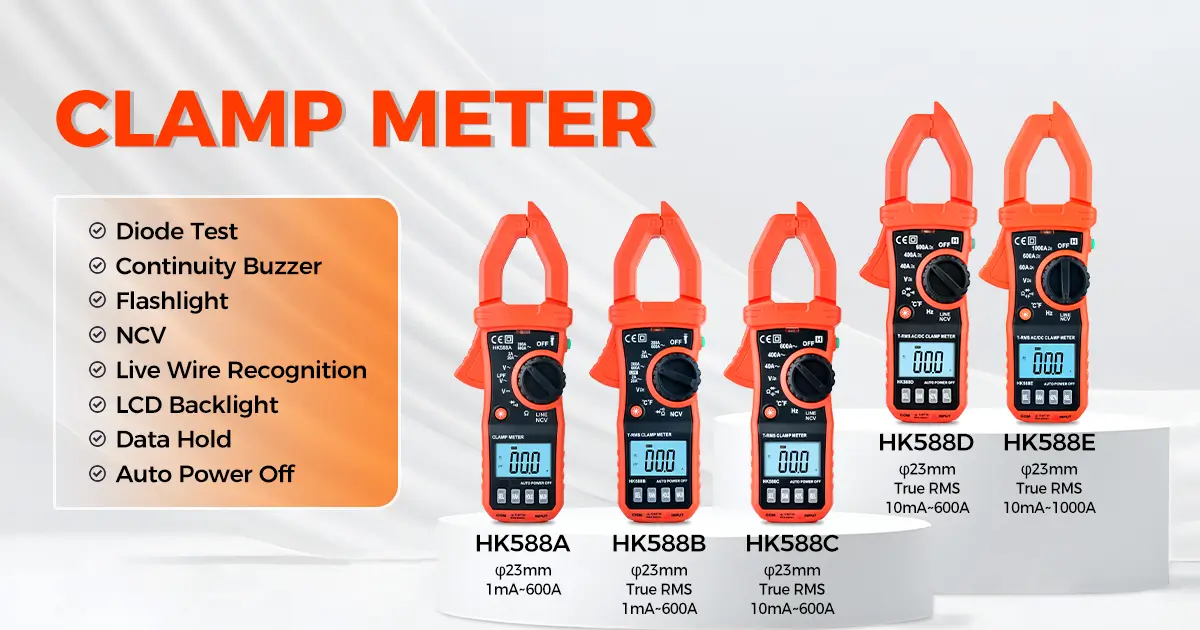
How to Select Clamp Meter Range for Leakage Current Testing
Measuring leakage current with a clamp meter is one of the fastest ways to confirm whether a circuit is “clean” or quietly bleeding current to ground. The catch is that
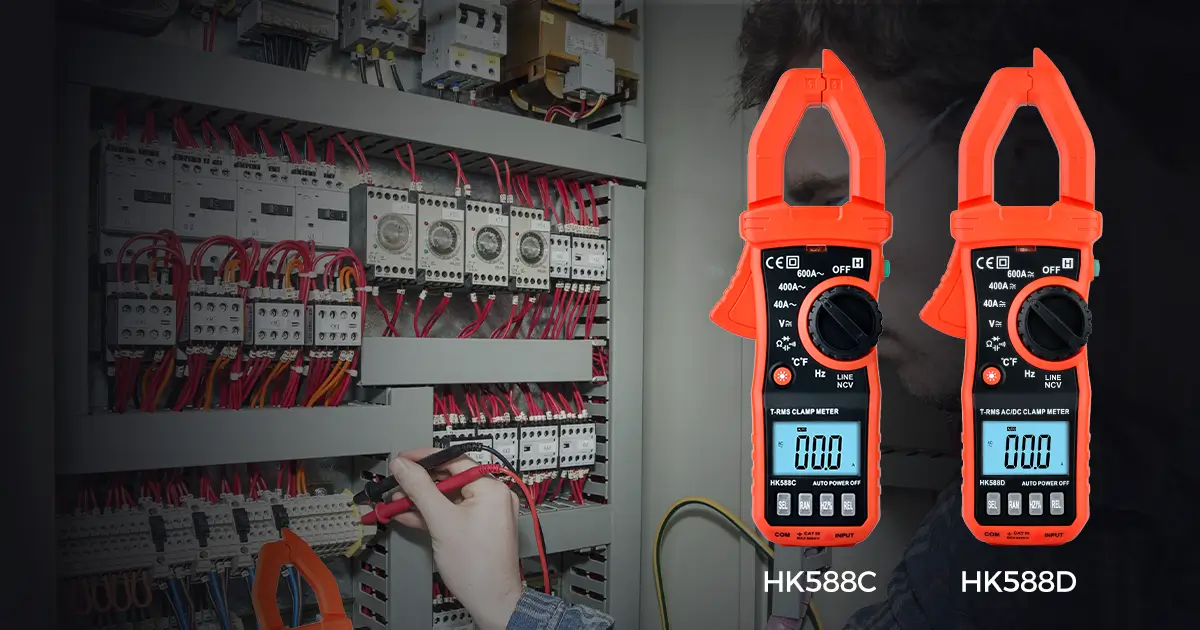
How to Choose a Clamp Meter for Electricians
A clamp meter looks simple: open the jaws, clamp a conductor, read the current. In the field, though, the “right” clamp meter is the one that matches your real workloads—distribution
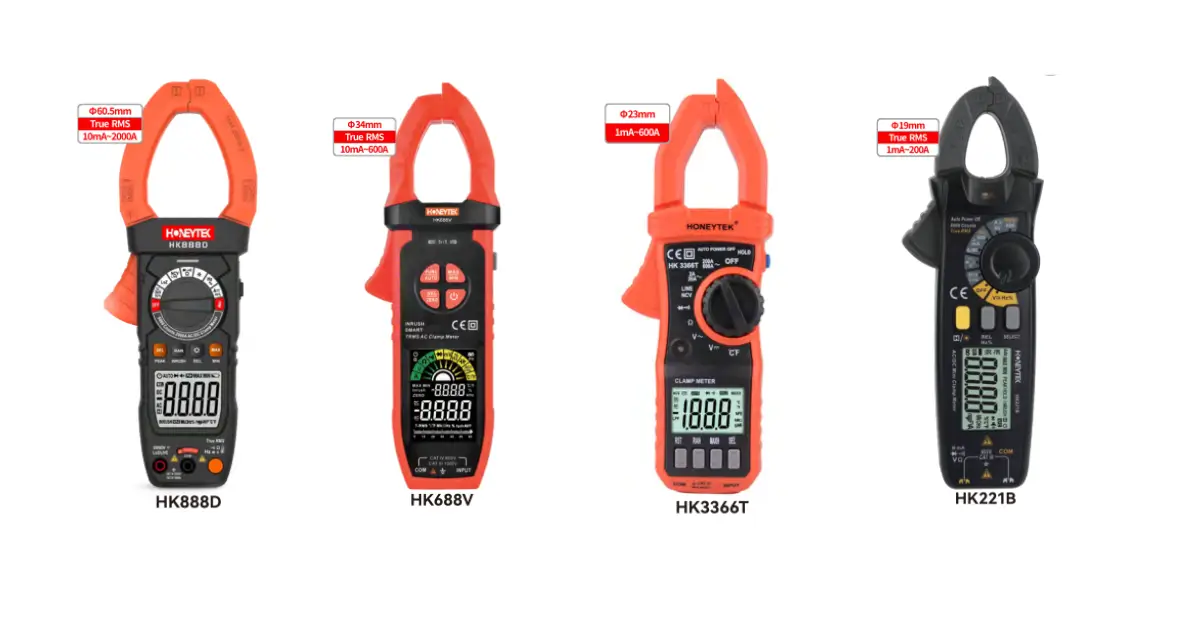
How to Choose the Right Jaw Opening for Your Digital Clamp Meter
Selecting the optimal clamp meter isn’t just about current range or True RMS capability—it starts with one often-overlooked but critical spec: jaw opening size. And in modern electrical environments, the
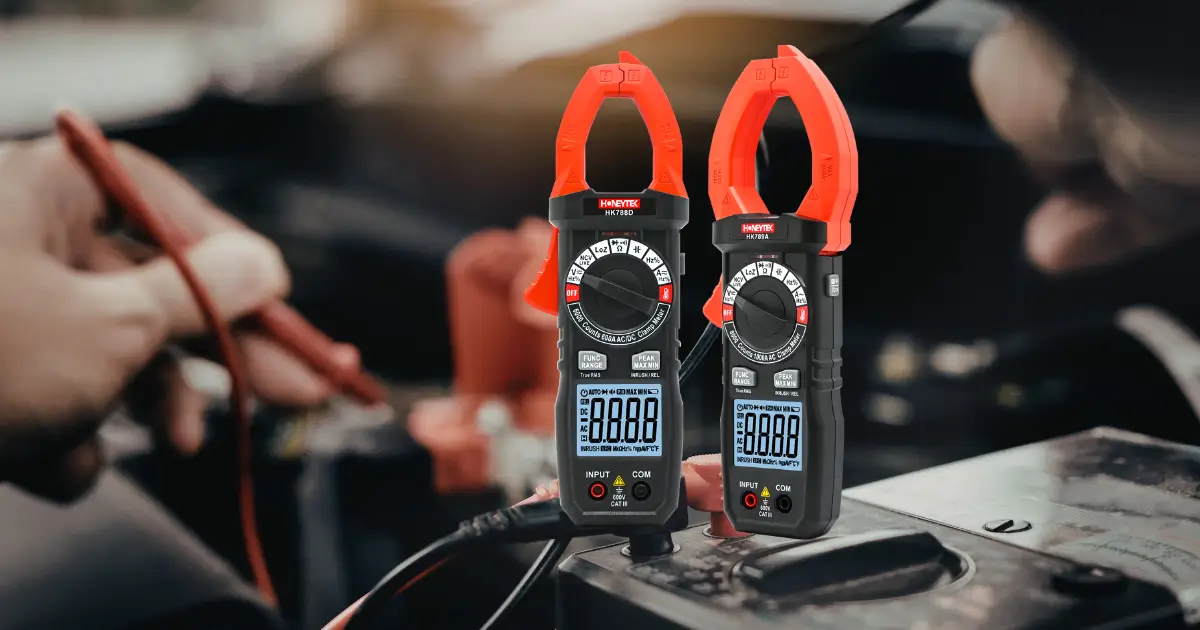
Key Specifications for Choosing an Industrial High-Current Clamp Meter
Industrial electricians and maintenance engineers choose a high-current clamp meter for one reason: fast, safe, non-intrusive current measurement in real panels—without breaking circuits. But “high-current” measurement is where mistakes become
 English
 Português
 Español
 Français
 Deutsch
 العربية
 Русский