
Moisture is the primary factor that leads to material damage and mold growth. When materials become excessively damp or wet, it creates the perfect environment for mold to grow and for materials to deteriorate. Whether you’re working in construction, building inspection, or home maintenance, using a digital moisture meter is a crucial tool to detect moisture early, prevent mold, and preserve the integrity of your materials.
In this article, we’ll explain why moisture is the root cause of mold and material damage, how to effectively use a digital moisture meter to detect high moisture levels, and how to prevent common mistakes when measuring. Additionally, we’ll highlight the most important areas in your home or building that require moisture monitoring.
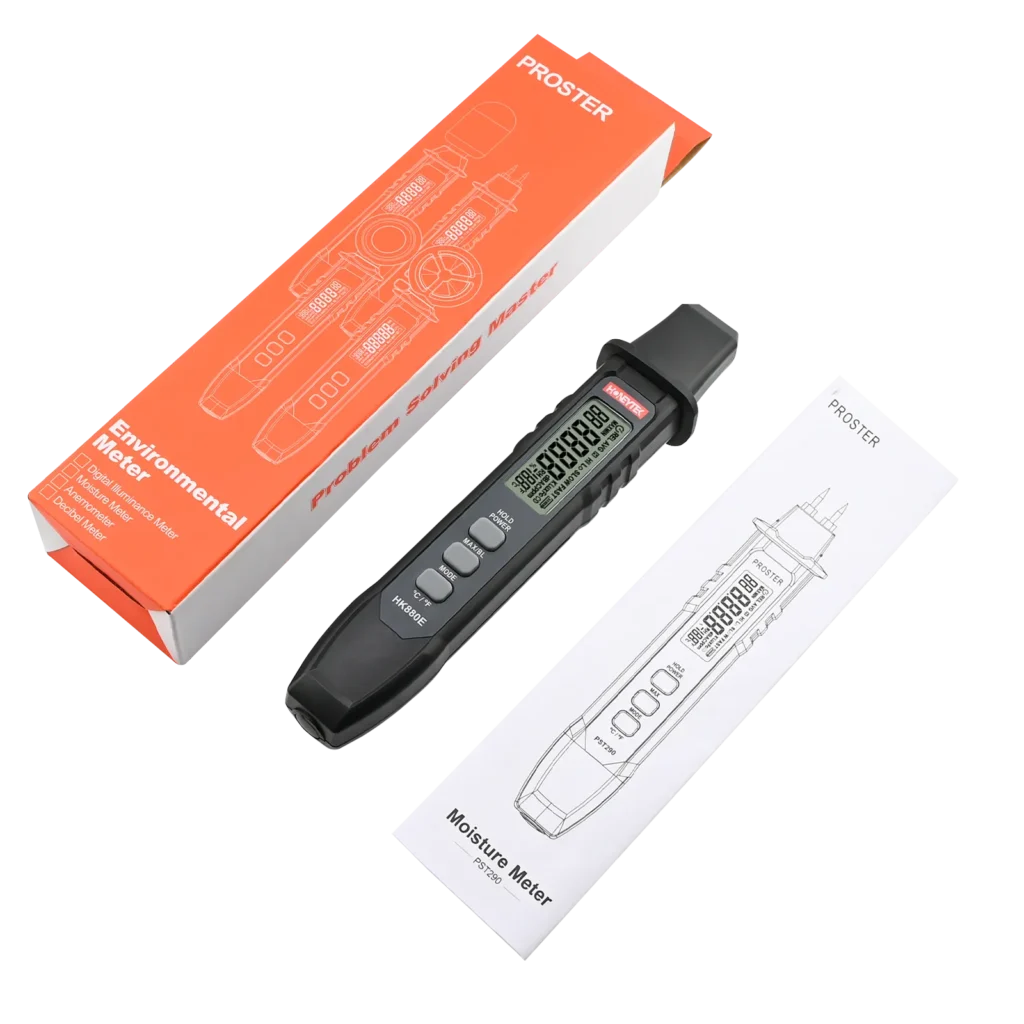
Why Moisture is the Starting Point for Mold and Material Damage
Moisture is a key factor in both mold growth and material damage. When water infiltrates building materials like wood, drywall, and insulation, it can weaken their structural integrity, causing warping, cracking, or rotting. Excess moisture also provides the ideal conditions for mold and mildew to thrive, leading to health problems and further property damage.
- Mold Growth: Mold thrives in damp environments and can spread quickly, especially in areas with high humidity. It not only damages the materials it grows on but also affects indoor air quality, causing respiratory problems and allergic reactions.
- Material Deterioration: Wood, drywall, and other materials absorb moisture, and over time, this can lead to deterioration. For example, untreated wet wood can rot, and high moisture levels in drywall can cause it to weaken and crumble.
Using a digital moisture meter allows you to detect these issues early, preventing costly repairs and health risks.
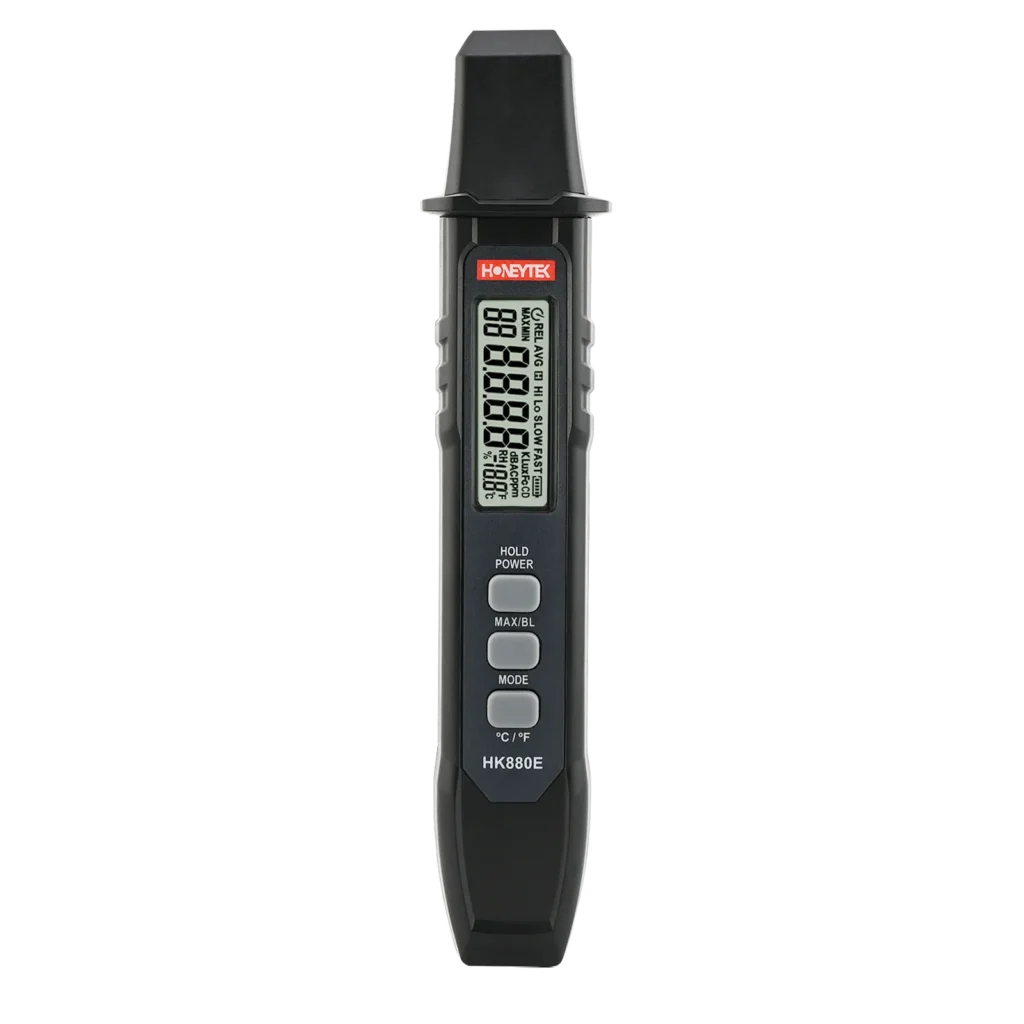
Key Areas to Use a Digital Moisture Meter for Checking Moisture Levels
Some areas of your home or building are more susceptible to moisture buildup than others. Here are the most important spots to check with a digital moisture meter:
- Window Frames: The area around windows is often prone to condensation, which can lead to moisture buildup in the frames, walls, and surrounding materials.
- Bathrooms and Kitchens: These high-humidity areas, especially around showers, sinks, and bathtubs, are common spots for moisture accumulation. The wet environment increases the risk of mold growth.
- Near Water Pipes: Areas around pipes are especially vulnerable to leaks. Moisture meters can help detect hidden leaks before they cause serious water damage.
- Floor Edges: Moisture can easily seep into floors, particularly near the edges where walls meet the floor. Checking these areas can prevent long-term damage.
- Previously Flooded Areas: If certain areas of your home have been exposed to water in the past (e.g., during a flood or leak), it’s crucial to check for residual moisture that could lead to mold or material damage.
How to Avoid Misreadings: Material, Mode, and Measurement Method Matter
When using a digital moisture meter, there are a few factors that can affect the accuracy of your readings. Here are some tips to avoid common mistakes:
1. Use the Correct Material Setting
Different materials require different settings on your moisture meter. Wood, drywall, concrete, and other materials each have unique moisture content ranges. Using the wrong setting could result in incorrect readings, leading to missed moisture issues or false positives.
- Wood: Moisture levels in wood vary depending on the type of wood. A setting designed for softwoods like pine may not be suitable for hardwoods like oak.
- Drywall and Mortar: Be sure to select the correct mode for drywall or mortar, as these materials have different moisture absorption characteristics compared to wood.
2. Measure in Multiple Locations
It’s important not to rely on just one measurement point. Moisture may not be evenly distributed, especially in large areas. Take multiple readings in different spots to get a better idea of the moisture distribution. This is particularly important when dealing with hidden leaks or larger surfaces like walls and floors.
3. Watch for Unusually High Readings
If you notice that the moisture readings are consistently higher than usual, it may indicate the presence of water damage or ongoing leaks. Elevated moisture levels in building materials often suggest that water is trapped inside, which can lead to mold growth or material deterioration. Addressing these issues promptly is essential to prevent further damage.
4. Consider Potential Error Sources
There are several factors that can influence moisture readings, including:
- Metal Objects: Metal pipes, nails, and other metallic items can interfere with the moisture reading, leading to incorrect results.
- Surface Water: If there is water on the surface of the material, it may cause a higher moisture reading. Make sure to wipe away any surface water before measuring.
- Treated Wood: Pressure-treated wood may produce inaccurate readings because of its chemical treatment.
- Incorrect Settings: Always ensure that the correct mode is selected for the material you’re testing.
By being mindful of these factors, you can ensure accurate readings and avoid misinterpretation of results.
What to Do After Finding High Moisture Levels
If you discover elevated moisture levels using your digital moisture meter, the next step is to investigate the source of the moisture. Here’s what to do:
- Inspect High-Risk Areas: Focus on areas that are most vulnerable to moisture, such as window frames, bathrooms, kitchens, and basements. These areas should be your priority when conducting moisture tests.
- Identify the Source of the Moisture: Check for leaks, poor insulation, or condensation issues that may be causing the moisture buildup. This could involve inspecting pipes, roofing, or external drainage systems.
- Dry the Area: If you find high moisture levels, act quickly to dry the affected areas. Use dehumidifiers, fans, or heaters to help speed up the drying process. In some cases, you may need to replace damaged materials, like wet wood or drywall, to prevent mold growth.
- Monitor Regularly: Continue using your digital moisture meter to monitor the moisture levels over time. This will help you track whether the issue is resolved or if further intervention is required.
FAQ (Frequently Asked Questions)
Q1: How accurate are digital moisture meters?
Digital moisture meters are highly accurate when used correctly, with most models offering a margin of error of around 1%. However, accuracy depends on using the correct material setting and ensuring that external factors like metal or surface water are accounted for.
Q2: Can I use a digital moisture meter to detect mold?
While a digital moisture meter does not directly detect mold, it can help identify areas with high moisture levels that are at risk for mold growth. If moisture levels are consistently high, it’s important to investigate further for potential mold issues.
Q3: How do I choose the right digital moisture meter for my needs?
When selecting a digital moisture meter, consider factors such as the types of materials you will be testing (wood, drywall, mortar, etc.), the ease of use, and the accuracy of the readings. The Honeytek HK880E is a versatile choice, offering settings for multiple materials and high precision.
Q4: How often should I check moisture levels in my home?
It’s a good idea to check moisture levels periodically in high-risk areas like bathrooms, kitchens, and basements. If you suspect a leak or have had past water damage, check more frequently.
Q5: Can I use the Honeytek HK880E in a humid environment?
Yes, the Honeytek HK880E is designed to operate in environments with humidity levels from 10% to 80%, making it suitable for use in areas with varying humidity levels.
If you’re looking to protect your property from the damaging effects of moisture and mold, a digital moisture meter is your first line of defense. The Honeytek HK880E Digital Moisture Meter provides accurate readings and helps you identify potential issues before they become costly problems.
Get in touch with us today to learn more about the Honeytek HK880E and explore our OEM/ODM customization options. Protect your home and materials with the power of accurate moisture detection.
You May Also Be Interested In:
- HK880A 9999CMM 2 times/sec Digital Anemometer
- HK820 Digital Anemometer with Air Velocity & Temp
- HK820+ 9999 CMM Digital Anemometer
- HK830 Digital Temperature Meter with Ambient Humidity
- HK880C Digital Thermo-hygrometer with 6-digit LCD
- HK880D Digital Gas Leak Detector
- HK880F Digital Sound Level Meter with Temperature Monitoring
- A8850 Digital Sound Level Meter
