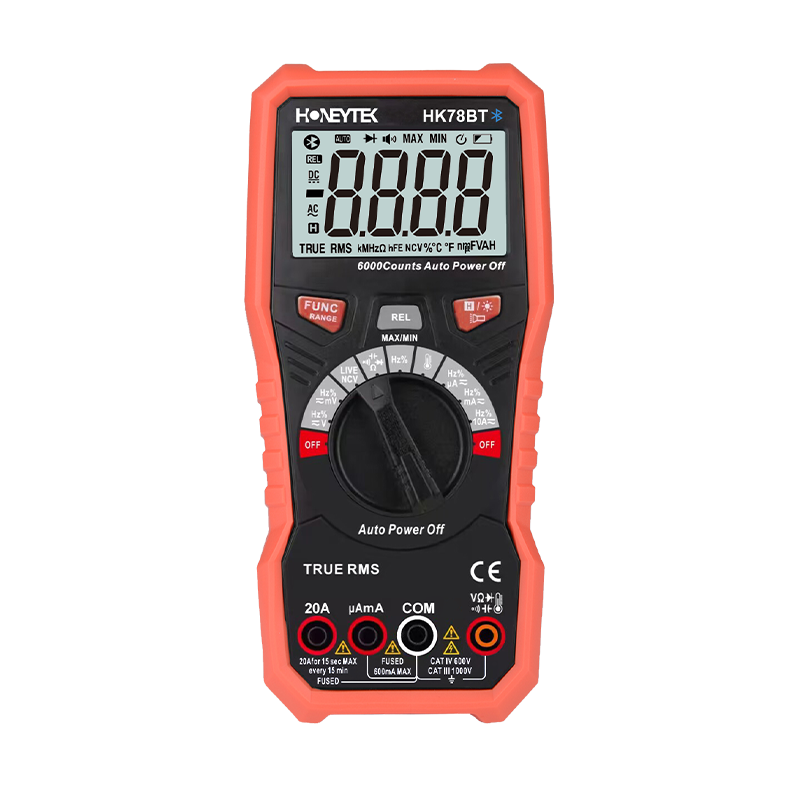
When choosing a digital multimeter, understanding CAT III vs CAT IV safety ratings is critical. These categories define how well a meter can withstand voltage spikes (transients) in different electrical environments.
If you are selecting a multimeter for electricians, industrial maintenance, or distribution, this guide explains the real difference—and how to choose correctly.
When working with electrical systems, not all measurement tools offer the same level of protection. CAT (Category) ratings are safety classifications defined by IEC standards that indicate a tool’s ability to withstand voltage transients in different environments. Choosing the right CAT rating ensures your test equipment can handle the energy levels present in the specific part of the electrical system you’re working on, keeping both you and your gear protected.
- CAT I: Low-energy circuits – electronics, control signals
- CAT II: Standard outlets – appliances, portable tools
- CAT III: Distribution-level – circuit breakers, fixed equipment
- CAT IV: Utility-level – service drops, outdoor lines
What Do CAT Ratings Mean?
CAT (Category) ratings are defined by safety standards such as International Electrotechnical Commission (IEC 61010).
They indicate how much transient overvoltage a multimeter can safely handle.
👉 The higher the CAT rating, the higher the risk environment it is designed for.

CAT III vs CAT IV: Key Differences
| Category | Typical Application | Risk Level | Examples |
|---|---|---|---|
| CAT III | Distribution circuits | Medium–High | Distribution panels, building wiring, motors |
| CAT IV | Source of installation | Very High | Utility lines, outdoor cables, service entrances |
What is CAT III Used For?
A CAT III multimeter is designed for distribution-level electrical systems, including:
- Electrical panels and switchboards
- Building wiring systems
- Industrial equipment and motors
- HVAC systems
👉 This is the most common rating for electricians and maintenance work.
What is CAT IV Used For?
A CAT IV multimeter is required for high-energy environments, such as:
- Utility service entrances
- Outdoor power lines
- Primary overcurrent protection devices
- Meter-to-grid connections
👉 These environments have extreme transient spikes, requiring higher protection.
CAT III vs CAT IV: Which One Do You Need?
Choose CAT III if you work with:
- Electrical panels
- Building installations
- Equipment maintenance
- HVAC systems
✔ Example: A CAT III 600V digital multimeter is sufficient for most electricians.
Choose CAT IV if you work with:
- Outdoor electrical systems
- Utility-level connections
- Power distribution from the grid
✔ Required for high-risk, high-energy testing environments
Why CAT Ratings Matter (Safety Perspective)
Electrical systems can produce voltage spikes thousands of volts higher than nominal voltage.
A multimeter without proper CAT rating may:
❌ Fail internally
❌ Cause arc flash hazards
❌ Put the user at risk
👉 Choosing the correct category ensures operator safety and equipment reliability.
How to Choose the Right CAT Rating?
Selecting the correct CAT rating comes down to understanding your working environment. Electrical systems vary widely in the level of transient energy they can produce. Using a tool rated too low for the application puts you at risk for serious damage—or worse. Use the checklist below to help identify the appropriate safety category: What type of system are you measuring? How close are you to the power source (utility vs internal circuit)? What’s the maximum transient voltage you could encounter? When in doubt, go with the higher category. Higher CAT-rated tools can be used in lower-CAT environments but never the other way around.
FAQ – CAT III vs CAT IV Multimeters
Is CAT III 600V enough for electricians?
Yes. A CAT III 600V multimeter is suitable for most commercial and residential electrical work, including panels and wiring systems.
Is CAT IV safer than CAT III?
Yes. CAT IV provides higher protection against extreme voltage transients, especially in outdoor or utility environments.
Can I use a CAT III meter in CAT IV environments?
No. A CAT III meter is not designed for the higher transient energy found in CAT IV environments.
What happens if I use the wrong CAT rating?
Using a lower-rated meter can lead to equipment failure or serious safety hazards, especially in high-energy circuits.
Conclusion
Understanding CAT III vs CAT IV multimeter ratings is essential for selecting the right tool.
- CAT III → ideal for most electricians and maintenance
- CAT IV → required for utility and high-risk environments
For most applications, a CAT III multimeter provides the best balance of safety and cost
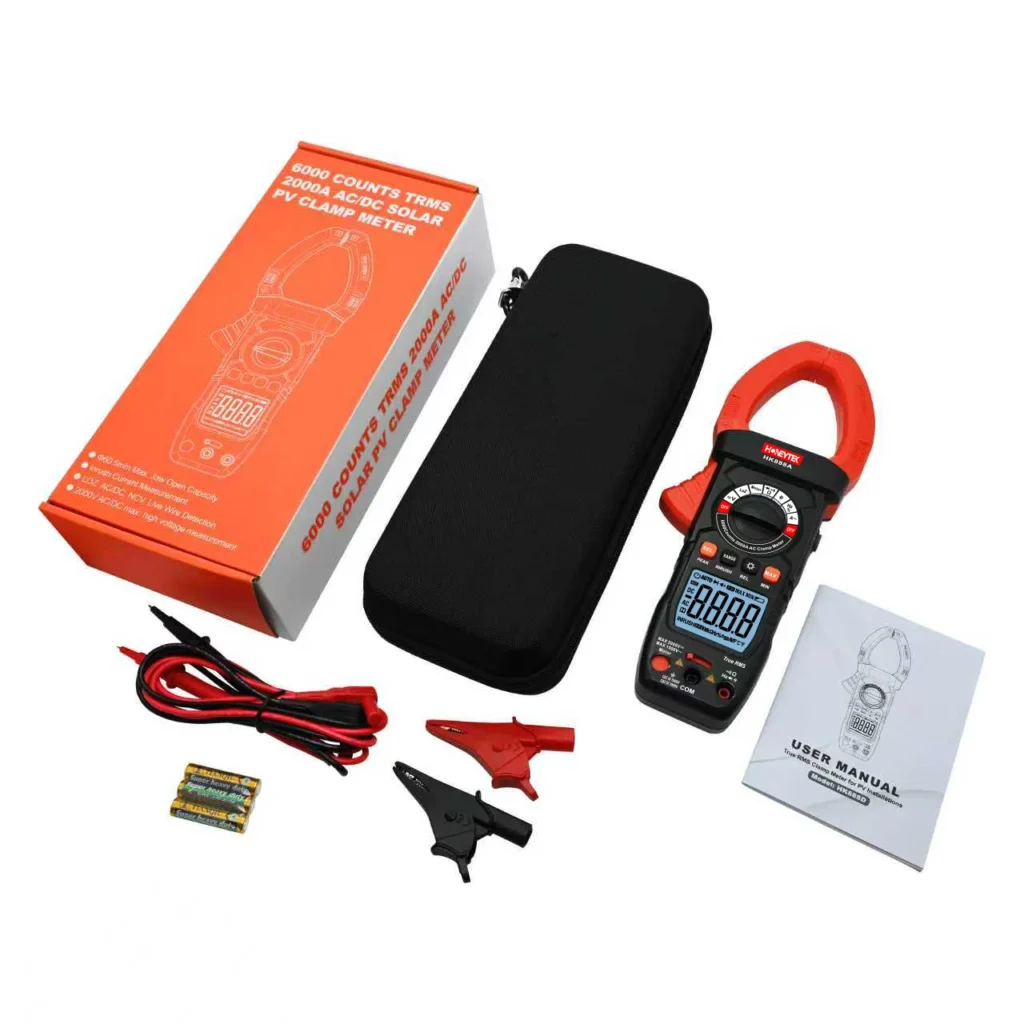
Common Tools by CAT Rating