
Introduction: Why Choosing the Right Thermal Imaging Camera Matters
Infrared thermal imaging cameras have become essential tools in electrical inspection, building diagnostics, automotive maintenance, and even personal DIY projects. These devices visualize temperature differences that are invisible to the naked eye, making them valuable for detecting faults, leaks, or heat loss.
However, with so many brands and models on the market — from premium professional units to affordable smartphone attachments — selecting the right one can be confusing.
This guide will walk you through how to compare different brands and models, focusing on key specifications such as resolution, functionality, and price-performance ratio.

Key Factors to Consider When Choosing a Thermal Imaging Camera
Before looking at specific brands, it’s important to understand the main factors that affect performance and usability.
1. Resolution
Thermal resolution determines how detailed your images will be. A higher resolution sensor (e.g., 320×240 or 640×480) captures finer thermal differences and allows accurate analysis. For general electrical or mechanical maintenance, 160×120 is usually sufficient, while 320×240 or higher is ideal for professional inspection.
2. Temperature Range
Each thermal camera has a defined range of measurable temperatures. Industrial users might need cameras capable of detecting up to 400°C or more, while home users may only need -20°C to 150°C.
3. Image Frequency (Frame Rate)
A higher frame rate (e.g., 25–30 Hz) offers smoother image updates, especially useful for moving targets or fast inspections.
4. Price vs. Performance
High-end models provide exceptional precision but may be unnecessary for basic users. The goal is to find a balance — reliable performance at a reasonable price.
5. Portability and Connectivity
Modern cameras, especially plug-in smartphone thermal imagers, offer mobility and convenience. Many models now support USB-C, Wi-Fi, or Bluetooth for image sharing and analysis on mobile apps.
Top Thermal Imaging Camera Brands Compared
1. FLIR – The Industry Standard for Professional Use
FLIR is the most recognized brand in the thermal imaging world, known for its innovation and reliability.
- Popular Models: FLIR One Pro, FLIR C5
- Strengths: Exceptional image clarity, wide temperature range, strong software support.
- Limitations: High price point, making it less accessible for casual users.
FLIR cameras are ideal for professional inspectors, electricians, and industrial maintenance teams who require precise measurements and long-term durability.
2. Honeytek – High Cost-Performance for Professionals and DIY Users
Honeytek, a trusted electronic measurement tool manufacturer, has gained popularity with its thermal imaging camera series, such as the TP170 and TP175 Mobile Plug-in Thermal Imaging Camera.
- Strengths:
- High image resolution at an affordable price.
- Compact design for easy plug-in use on Android or iOS devices.
- Excellent balance between image quality, speed, and portability.
- Best For:
Technicians, electricians, and DIY users who need accurate thermal inspection without spending thousands. - Why Choose Honeytek:
Honeytek’s TP series offers clear thermal visualization, fast startup, and smooth app integration. Its cost-effective design makes it ideal for electrical, mechanical, and home energy diagnostics.
3. Topdon – Affordable and Functional
Topdon is another value-oriented brand offering thermal imagers that perform well for their price.
- Popular Model: Topdon TC001
- Strengths: High sensitivity sensors and user-friendly software.
- Limitations: Slightly less precise image rendering compared to premium brands like FLIR.
Topdon is often compared directly to Honeytek for its price-performance ratio, making it a great alternative for professionals looking for budget-friendly performance.
4. Infiray / InfiSense – Powerful Image Quality at a Mid-Range Price
Infiray and InfiSense have built strong reputations in the mid-range thermal camera market.
- Popular Model: Infiray P2 Pro
- Strengths: Compact design, excellent image clarity, and smooth operation.
- Limitations: Software interface can be less intuitive for new users.
Their cameras are well-suited for users who want premium imaging performance without FLIR’s high cost.
5. Seek Thermal – Popular Mobile Attachment for Everyday Use
Seek Thermal is well-known for its mobile plug-in thermal cameras, ideal for quick inspections or personal projects.
- Popular Models: Seek Thermal Compact, CompactPRO
- Strengths: Portable, convenient, and works directly with smartphones.
- Limitations: Image noise and lower color contrast compared to higher-end models.
Seek Thermal devices are best for home inspection, HVAC maintenance, or outdoor enthusiasts who need a lightweight solution.
Brand Comparison Table
| Brand | Example Models | Image Resolution | Price Range (USD) | Best For |
|---|---|---|---|---|
| FLIR | One Pro, C5 | 160×120 – 320×240 | $400–$1500 | Industrial inspection |
| Honeytek | TP170, TP175 | 160×120 – 256×192 | $200–$400 | Professionals, DIY users |
| Topdon | TC001 | 256×192 | $250–$350 | Technicians |
| Infiray / InfiSense | P2 Pro | 256×192 – 320×240 | $300–$500 | Mid-range users |
| Seek Thermal | Compact, CompactPRO | 206×156 | $250–$500 | General home use |
Which Brand Should You Choose?
If you’re a professional inspector or engineer, FLIR remains the most reliable option for mission-critical use.
However, if you value cost-efficiency and practicality, Honeytek stands out with its excellent balance between price, performance, and portability.
For hobbyists and light-duty users, Topdon or Seek Thermal offer a practical introduction to thermal imaging technology without breaking the bank.
Common Applications of Thermal Imaging Cameras
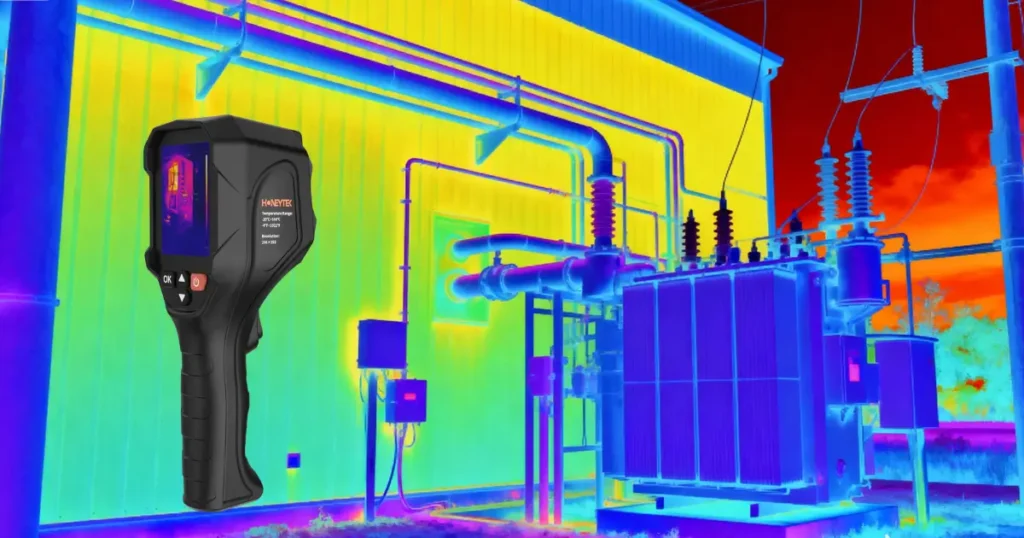
- Electrical Inspection: Detect overheating components and prevent electrical fires.
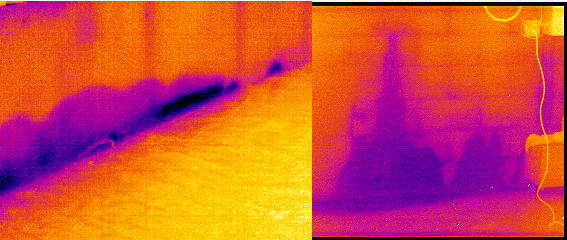
- Building Diagnostics: Identify insulation gaps, leaks, or moisture issues.
- Mechanical Maintenance: Find friction hotspots or motor overheating.
- Energy Audits: Detect heat loss and improve energy efficiency.
- Outdoor and Wildlife Observation: Track animals or explore in the dark.
Frequently Asked Questions (FAQ)
Q1: What resolution do I need for professional use?
For industrial or electrical applications, choose a resolution of 320×240 or higher to ensure accurate readings and detailed visuals.
Q2: Are mobile thermal cameras accurate enough?
Yes, modern plug-in models like the Honeytek TP175 and Infiray P2 Pro offer high accuracy for professional and semi-professional use. They’re also more affordable than traditional handheld units.
Q3: Can I use a thermal camera outdoors?
Absolutely. Most thermal cameras can be used outdoors for building inspection, wildlife observation, or night exploration — as long as they have proper IP protection against moisture and dust.
Q4: How important is temperature range?
If you inspect high-temperature equipment (like furnaces or transformers), choose a device with a maximum range above 400°C. For everyday use, 150°C–250°C is sufficient.
Q5: Which brand offers the best value for money?
Honeytek is widely recognized for delivering professional-grade performance at a competitive price, making it one of the best choices for users who want quality and affordability combined.
Conclusion
Choosing the right infrared thermal imaging camera depends on your budget, application, and accuracy requirements.
- FLIR sets the standard for professionals.
- Honeytek leads in affordable high-quality imaging.
- Topdon, Infiray, and Seek Thermal each offer competitive options for specific needs.
Whether you’re inspecting circuits, buildings, or mechanical systems, investing in a reliable thermal camera ensures safety, efficiency, and better diagnostics.
