
In modern electrical troubleshooting, measuring extremely low current accurately is becoming more important than ever. Whether you are diagnosing vehicle battery drain, checking leakage current in industrial systems, or monitoring sensitive control circuits, a standard clamp meter is often not precise enough.
This is where a small current clamp meter becomes essential.
What Is a Small Current Clamp Meter?
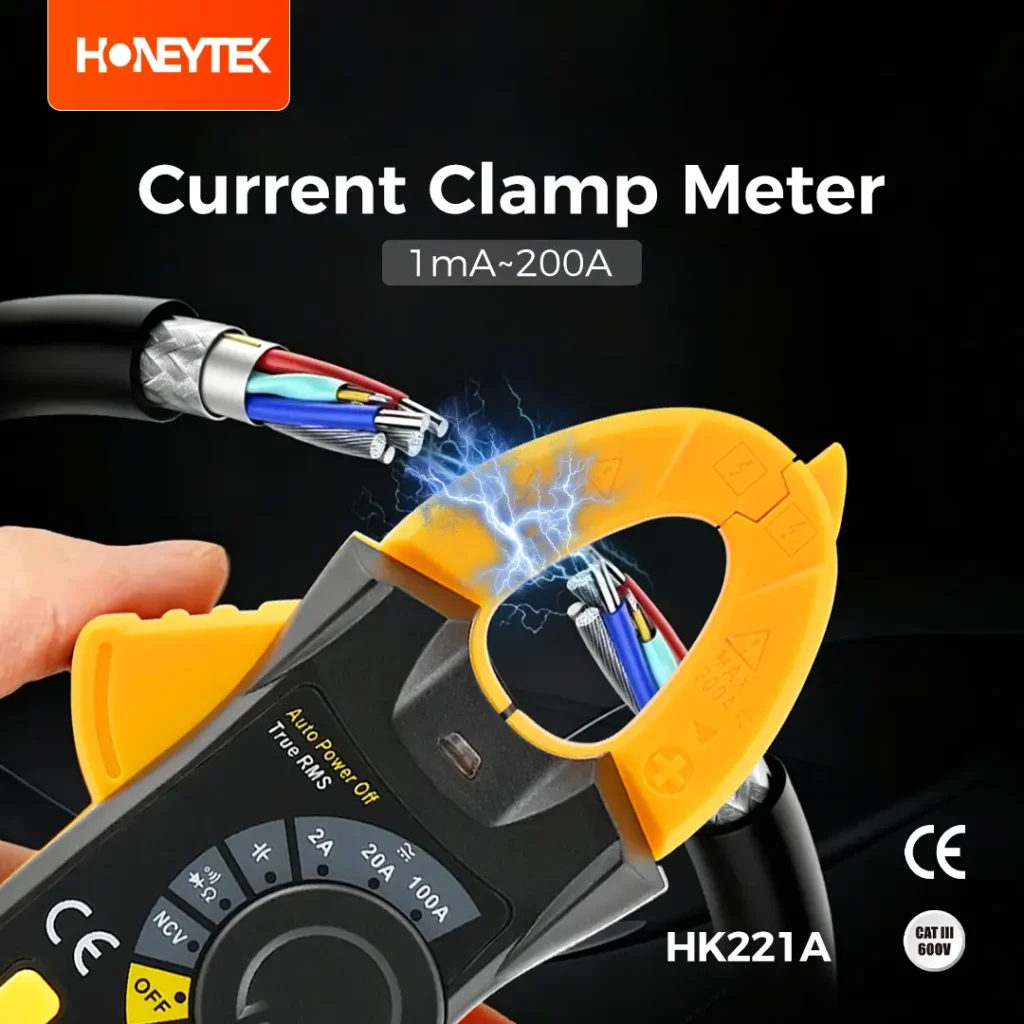
A small current clamp meter is a specialized clamp meter designed to measure very low AC/DC current levels — often down to the milliamp (mA) range — without disconnecting the circuit.
Unlike traditional clamp meters that mainly focus on high-current electrical systems, small current clamp meters prioritize:
- Higher low-current sensitivity
- Better milliamp resolution
- Compact jaw design
- Stable low-current measurement
- Easier access to dense wiring environments
These meters are widely used in:
- Automotive standby current testing
- Leakage current detection
- Data center maintenance
- Industrial control systems
- R&D laboratories
- Small power equipment diagnostics
Why Standard Clamp Meters Often Fail at Low Current Measurement
Many conventional clamp meters are optimized for:
- 10A
- 100A
- 600A
- 1000A ranges
However, when measuring:
- 1mA
- 10mA
- 100mA
the readings may fluctuate or become inaccurate.
Common Problems:
- Poor low-current resolution
- Noise interference
- Large jaw size cannot access small wires
- Unstable zero offset
- Weak DC current sensitivity
For professionals working on electronics, EV systems, battery maintenance, or industrial automation, this can lead to incorrect diagnosis and wasted troubleshooting time.
Key Features of a Good Small Current Clamp Meter
1. Milliamp-Level Resolution
A quality small current clamp meter should support:
- 1mA resolution
- Stable low-current display
- Accurate leakage current reading
This is especially important for:
- Automotive parasitic drain testing
- UPS systems
- Data center monitoring
- PCB and control systems
2. AC/DC Current Measurement
Many low-end models only measure AC current.
Professional users should choose a meter supporting:
- AC current
- DC current
- True RMS measurement
DC measurement is critical for:
- Automotive systems
- Solar systems
- Battery circuits
- Electronic control devices
3. Small Jaw Design
A compact jaw helps technicians:
- Clamp dense cable bundles
- Reach narrow spaces
- Test control cabinet wiring
- Access automotive harnesses
Smaller jaw sizes are especially useful inside:
- Data centers
- Distribution cabinets
- Industrial control panels
4. Auto Zero & Stable Measurement
Low-current testing is highly sensitive to environmental interference.
Useful features include:
- Automatic zero adjustment
- Relative mode
- Data hold
- Auto power-off
- Backlight display
These features improve field usability and reading stability.
Common Applications of Small Current Clamp Meters
Automotive Industry
Technicians use low-current clamp meters for:
- Battery drain testing
- Leakage current detection
- ECU standby current measurement
- EV maintenance
Even a small parasitic current can drain a vehicle battery overnight.
Data Centers & Server Rooms
Modern server systems often require:
- Low-load current monitoring
- Leakage detection
- Power distribution diagnostics
Compact clamp meters allow testing inside crowded electrical cabinets.
Industrial Control Systems
Engineers frequently need to measure:
- PLC control current
- Sensor loops
- Small DC loads
- Relay systems
A high-resolution clamp meter helps avoid unnecessary shutdowns.
Electronics R&D
In laboratories and product development:
- Small current measurement is critical
- Non-contact testing improves safety
- Clamp measurement avoids circuit interruption
How to Choose the Right Small Current Clamp Meter
Check the Minimum Resolution
The most important factor.
Recommended:
- 1mA resolution or better
For precision applications:
- Lower resolution = better diagnosis capability
Verify AC/DC Support
Choose models supporting both:
- AC current
- DC current
Especially important for:
- Automotive
- Solar
- Battery systems
- Electronic maintenance
Look for True RMS Technology
True RMS ensures accurate measurement under:
- Non-linear loads
- Variable frequency drives
- Switching power supplies
- Inverter systems
Without True RMS, readings may become unreliable.
Consider Jaw Size
A smaller jaw is better for:
- Thin wires
- Dense cable harnesses
- Compact panels
Typical compact jaw sizes:
- Φ17mm
- Φ19mm
Evaluate Additional Functions
Helpful features include:
- NCV detection
- Relative mode
- Data hold
- Auto ranging
- LCD backlight
- Temperature testing
- Frequency measurement
Recommended Honeytek Small Current Clamp Meters
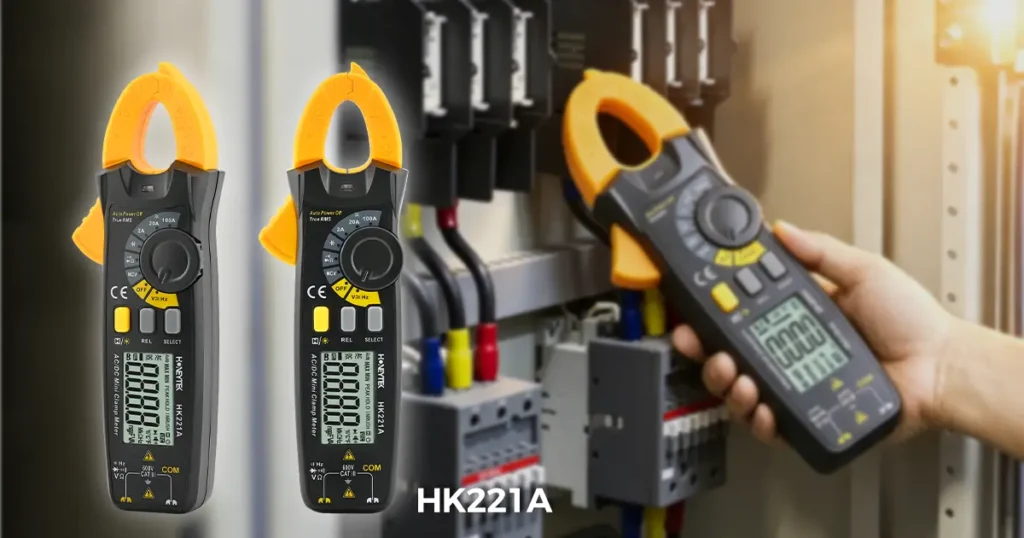
As a professional manufacturer of digital multimeters and clamp meters, Honeytek offers several compact TRMS clamp meters suitable for low-current applications.
Honeytek HK221A / HK221C+
Key Advantages:
- TRMS AC/DC current measurement
- Up to 1mA resolution
- Compact Φ19mm jaw
- CAT III 600V safety rating
- Auto ranging
- NCV function
- Portable mini design
Suitable for:
- Automotive standby current testing
- Small DC load measurement
- Leakage current inspection
Honeytek HK221B / HK221C
Highlights:
- 6000 counts display
- Compact TRMS design
- Small current measurement capability
- Frequency & capacitance testing
- Backlight display
- Relative mode
Ideal for:
- Industrial maintenance
- Electronics troubleshooting
- Control system diagnostics
Honeytek HK221D / HK221F
Features:
- 4000 counts compact clamp meter
- AC/DC current testing
- Compact lightweight body
- Stable low-current reading
- Easy operation for field technicians
Best for:
- HVAC maintenance
- Electrical inspection
- Service technicians
Why Professionals Choose Honeytek
Honeytek focuses on:
- Digital multimeters
- Clamp meters
- Electrical testing instruments
Honeytek Advantages:
- OEM/ODM customization support
- Stable quality control
- Global export experience
- Competitive factory pricing
- Distributor cooperation support
- Wide product portfolio
Honeytek products are widely used by:
- Electricians
- Automotive technicians
- Industrial engineers
- Solar installers
- Distributors worldwide
FAQ About Small Current Clamp Meters
What current range is considered “small current”?
Typically:
- Below 1A
- Especially milliamp-level current (mA)
Examples:
- 1mA
- 10mA
- 100mA
- 500mA
Can a clamp meter measure DC current?
Yes — but only if the model supports DC current measurement.
Always verify:
- “AC/DC clamp meter”
- “DC current clamp”
- “TRMS DC measurement”
Why is True RMS important?
True RMS provides more accurate readings when testing:
- Inverters
- Variable frequency drives
- Switching power supplies
- Non-linear loads
Are small current clamp meters suitable for automotive testing?
Yes.
They are widely used for:
- Battery drain testing
- Leakage current detection
- EV system diagnostics
What jaw size is best for dense wiring?
Compact jaws around:
- Φ17mm
- Φ19mm
are ideal for:
- Automotive wiring
- Control panels
- Server cabinets
Conclusion
As electrical systems become more compact and sensitive, accurate low-current measurement is increasingly important.
A professional small current clamp meter can:
- Improve troubleshooting efficiency
- Reduce diagnosis errors
- Avoid circuit interruption
- Increase technician safety
For engineers, electricians, automotive technicians, and distributors looking for reliable compact clamp meters, Honeytek offers practical and cost-effective solutions with OEM/ODM support and global distributor cooperation opportunities.
Contact Honeytek
Looking for reliable small current clamp meters for your market or project?
Honeytek supports:
- OEM customization
- ODM development
- Global distributors
- Private label cooperation
Whether you are an importer, wholesaler, brand owner, or industrial supplier, Honeytek can provide professional electrical testing solutions tailored to your needs.
