
Electrical failures rarely happen without warning. In many cases, the first sign of a developing problem is heat.
Before a fuse fails, before a connection burns, and before a motor suffers serious damage, abnormal temperature patterns often appear inside the electrical system. These warning signs may not be visible to the naked eye, but they can be detected quickly with an infrared thermal imaging camera.
That is why thermal imaging cameras have become valuable tools for electrical inspections, preventive maintenance, and troubleshooting.
As a manufacturer of infrared thermal imaging cameras, Honeytek provides thermal imaging solutions that help technicians detect electrical faults earlier, improve inspection efficiency, and reduce the risk of unexpected downtime.
Why Use Thermal Imaging Cameras for Electrical Inspections?
Thermal imaging cameras allow technicians to see apparent temperature differences across electrical equipment while the system is operating. This makes it easier to identify abnormal heating associated with electrical stress, excessive resistance, overload, or imbalance.
In electrical inspections, thermal imaging is especially useful because it helps users:
- detect loose or deteriorating connections
- identify overloaded circuits
- spot three-phase imbalance
- locate overheating components
- find high-resistance contact points
- monitor the condition of panels, drives, disconnects, and controls
- detect early signs of insulation resistance breakdown
Instead of waiting for a visible failure or shutdown, maintenance teams can identify potential problems while they are still manageable.
Why Thermal Imaging Is Effective in Three-Phase Electrical Systems
One of the biggest advantages of thermal imaging in electrical work is its ability to compare all three phases side by side.
Under similar load conditions, equal phases should usually show similar temperature patterns. If one phase appears significantly hotter than the others, this may indicate:
- electrical unbalance
- overload on one leg
- poor connection
- abnormal resistance
- internal insulation breakdown
- current-related stress in motors or connected loads
Even a relatively small voltage unbalance can create larger current imbalance, reduce torque, increase mechanical stress, and shorten equipment life. In severe cases, it can even lead to blown fuses or single-phasing conditions.
Thermal imaging helps maintenance personnel detect these differences quickly and safely.
Common Electrical Problems Thermal Cameras Can Reveal
Loose Connections
Loose electrical connections create high resistance, which produces unwanted heat. Over time, this heat can damage terminals, switches, fuse clips, connectors, and surrounding components.
Overloaded Circuits
When excessive current flows through a circuit, extra heat is generated. This abnormal heating may indicate that the circuit is overloaded or that conductors are undersized for the actual load.
Three-Phase Imbalance
Uneven phase loading creates uneven heating. A thermal camera makes it easier to compare thermal patterns across phases and identify imbalance that may affect motors, controls, and distribution systems.
High-Resistance Contact Points
A contact with high electrical resistance can become significantly hotter than nearby components. These hot spots are often early indicators of failure.
Insulation Resistance Breakdown
In motors and other electrical equipment, deterioration inside the windings may lead to imbalance and abnormal heating. Thermal imaging can help reveal these conditions before they become catastrophic.
Commonly Inspected Components
When performing electrical inspections with a thermal imaging camera, technicians typically focus on the following areas:
- electrical panels
- distribution boards
- high-load connection points
- drives
- disconnects
- controls
- fuses and fuse clips
- switches and terminals
- branch circuits
- motors and related loads
When a hot spot is discovered, the next step is usually to follow that circuit and inspect associated branches, loads, and connection points.
What to Look for in a Thermal Electrical Inspection
The main goal is to identify abnormal heating patterns that differ from the expected operating condition.
In general:
- equal load should produce roughly equal temperature patterns
- a hotter phase may suggest higher load or higher resistance
- a single hot connection may indicate poor contact
- a localized hot fuse or terminal may suggest abnormal resistance
- a broader hot pattern may indicate overload or imbalance
However, it is important to remember that similar thermal patterns can come from different causes. An overload, poor connection, phase imbalance, or harmonic issue may appear similar in a thermal image.
That is why thermal imaging should be used together with electrical load measurement and system knowledge for accurate diagnosis.
Best Practices for Thermal Imaging Electrical Inspections
Inspect Equipment Under Load
Electrical devices should ideally be inspected when they are fully warmed up and operating under stable conditions. A load level of at least part of the normal operating load helps provide more meaningful thermal data.
Compare Similar Components
A strong thermal inspection method is to compare similar phases, similar connections, or similar equipment under similar conditions. This makes abnormal heating easier to identify.
Remove Covers Safely When Appropriate
Where safety procedures allow, inspecting with covers removed can help reveal thermal issues more clearly. All inspections should follow proper safety standards and site procedures.
Create a Regular Inspection Route
Routine inspections make thermal imaging much more valuable. By following a consistent route and checking the same equipment regularly, technicians can detect trends and deterioration over time.
Build a Thermal Baseline
Saving thermal images over time allows maintenance teams to create a baseline for normal operating conditions. Future images can then be compared against that baseline to identify changes more accurately.
Verify Repairs with Follow-Up Images
After corrective action is taken, new thermal images help confirm whether repairs were successful and whether abnormal heating has been reduced.
Why Abnormal Heat Matters in Electrical Systems
In electrical circuits, some heat is normal. But abnormally high heat is not.
According to the relationship between current, resistance, and heat, higher resistance or higher current flow leads to more heat generation. This is why electrical systems with loose connections, undersized conductors, or overloaded circuits may experience dangerous heating.
If ignored, these problems can result in:
- wasted energy
- damaged insulation
- reduced equipment life
- poor motor performance
- blown fuses
- unexpected outages
- fire risk
- costly downtime
Thermal imaging helps users see these warning signs early, before the electrical circuit becomes hot enough to fail.
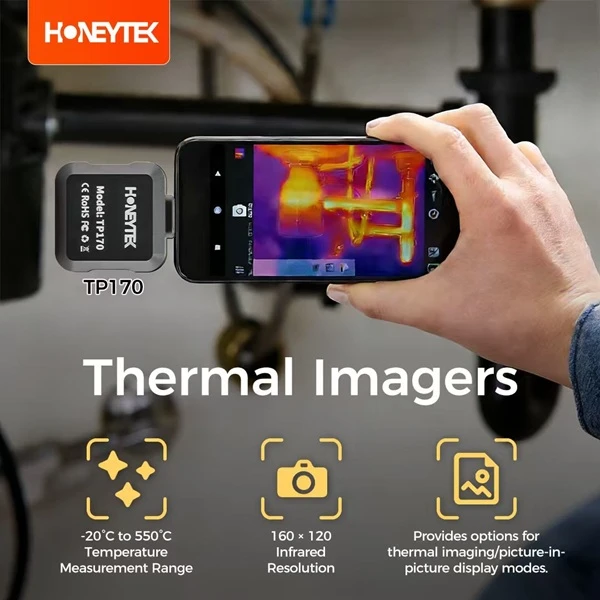
Benefits of Thermal Imaging for Electrical Maintenance
Using thermal imaging cameras for electrical inspections offers several practical advantages:
- faster fault detection
- non-contact inspection
- earlier identification of developing failures
- improved maintenance planning
- reduced unplanned downtime
- better documentation of equipment condition
- improved safety awareness
- more efficient troubleshooting
For maintenance teams, thermal imaging supports a shift from reactive repair to preventive action.
At Honeytek, we believe thermal imaging should help users make faster and more confident inspection decisions.
As a manufacturer of infrared thermal imaging cameras, Honeytek focuses on practical tools for electrical inspection, maintenance, and troubleshooting. Thermal imaging is especially valuable in electrical systems because abnormal heat often appears before visible failure.
That means the right thermal imager is not just an inspection tool. It is an early-warning tool for equipment reliability, safety, and maintenance efficiency.
Conclusion
Thermal imaging cameras are highly effective for electrical inspections because they reveal hidden heat patterns associated with overload, imbalance, poor connections, and deteriorating components.
By comparing phase temperatures, inspecting key connection points, and tracking changes over time, technicians can detect problems earlier and take corrective action before failure occurs.
For companies looking to improve electrical maintenance and inspection reliability, Honeytek infrared thermal imaging cameras provide a practical solution for identifying electrical faults, reducing downtime, and supporting safer operations.
FAQ
1. What can a thermal imaging camera detect in electrical inspections?
A thermal imaging camera can detect overheating connections, overloaded circuits, phase imbalance, hot fuses, poor contact points, and other abnormal heating patterns.
2. Why is thermal imaging useful for three-phase systems?
Because it allows technicians to compare the temperature of all three phases side by side and quickly identify imbalance or abnormal loading.
3. Can thermal imaging replace electrical measurement?
No. Thermal imaging is excellent for finding abnormal heat patterns, but electrical load measurement is still needed to confirm the exact cause of the problem.
4. What components are commonly inspected with a thermal camera?
Common targets include electrical panels, drives, disconnects, controls, fuses, terminals, switches, branch circuits, and motors.
5. Why should thermal images be saved over time?
Saving images helps build a baseline of normal operating conditions, making it easier to identify changes and verify whether repairs were effective.
