
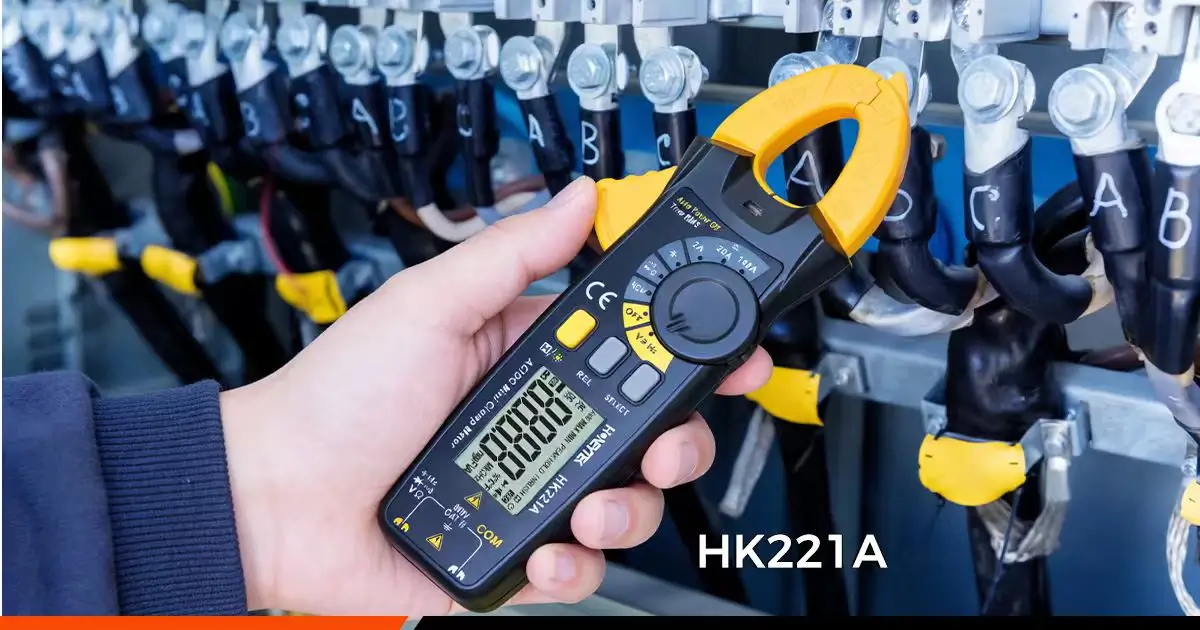
How to Choose the Right Honeytek Automotive Clamp Meter
Modern vehicles—especially hybrids and electric vehicles (EVs)—rely heavily on complex electrical systems. From starter motors and alternators to inverters and battery management systems, accurate current measurement is no longer optional.
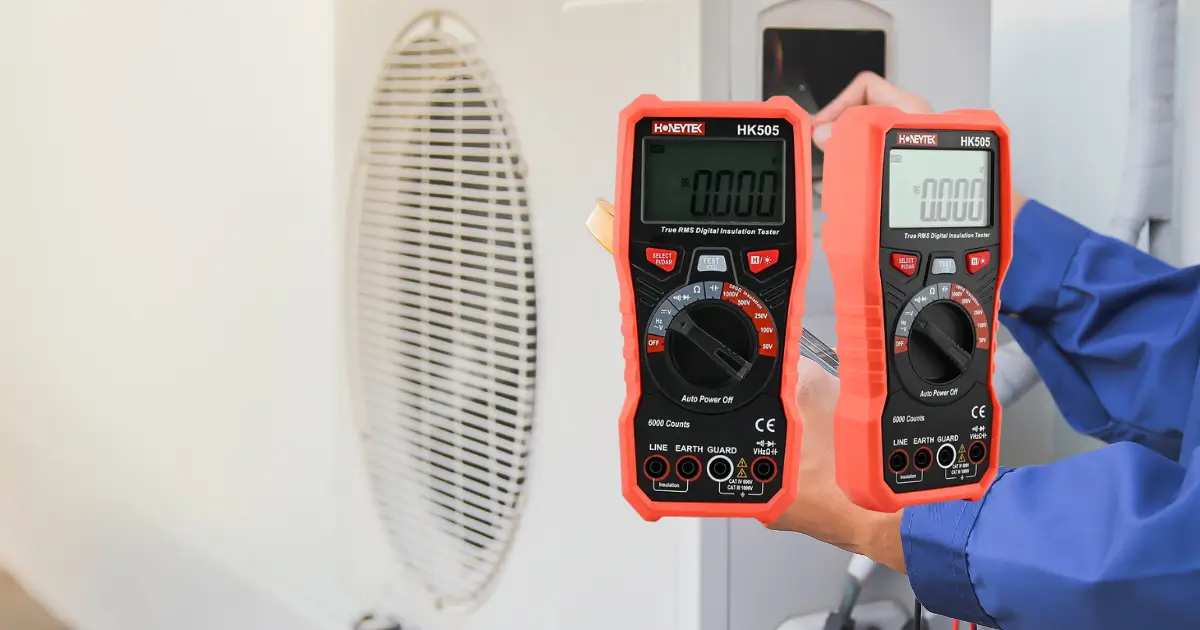
Choosing the Right Insulation Test Voltage: 50V to 1000V Explained
Insulation resistance testing is one of the most effective ways to evaluate the health and safety of electrical equipment. From motors and cables to household appliances and industrial systems, insulation
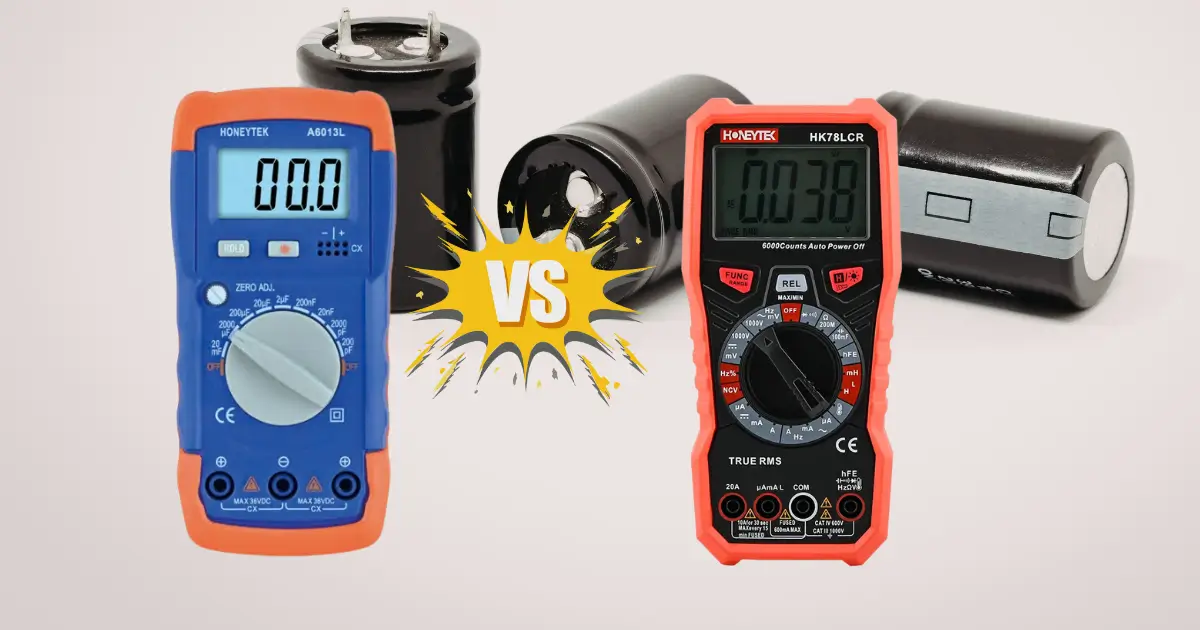
Measuring Capacitance: Digital Multimeter vs LCR Meter
Measuring capacitance can be compared to medical diagnostics. Using a digital multimeter to measure capacitance is like using a measuring tape: it quickly tells you “approximately how large the capacitor

How to Choose the Right Digital Inductance Meter for Your Electronic Projects
Selecting the right digital inductance meter is not simply about buying the most expensive instrument or choosing the widest measurement range. A practical and accurate choice starts with three fundamental
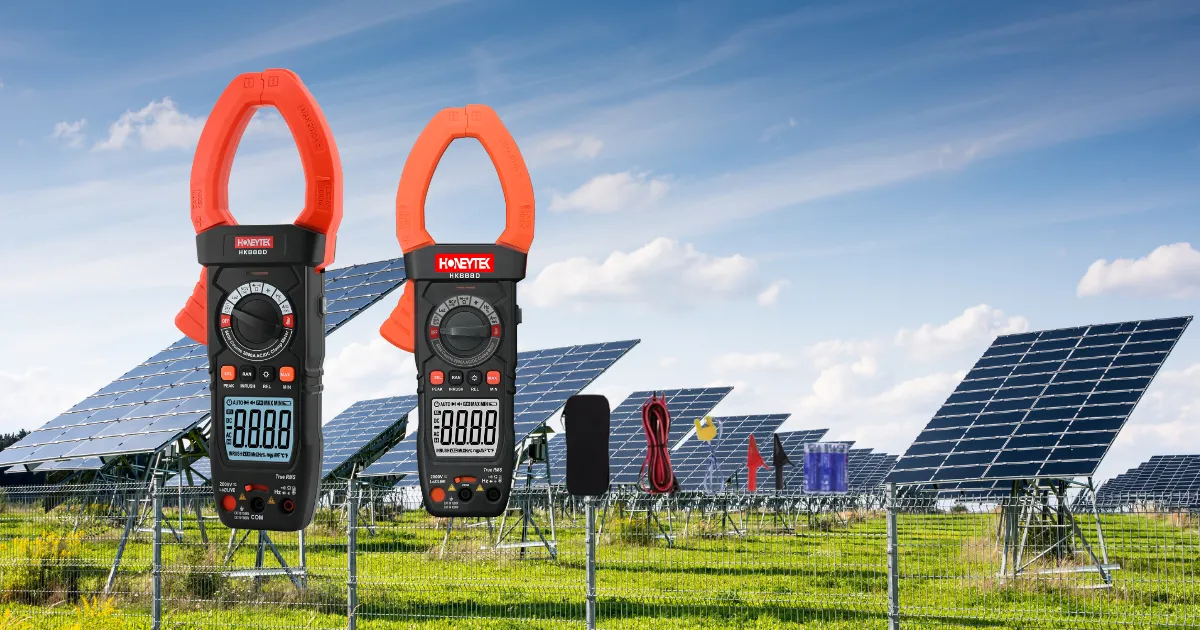
5 Critical Dimensions When Choosing a Solar PV Multimeter
As photovoltaic systems continue to scale in voltage, capacity, and geographic deployment, measurement tools have become a strategic procurement item rather than a simple accessory. For procurement managers, supply chain
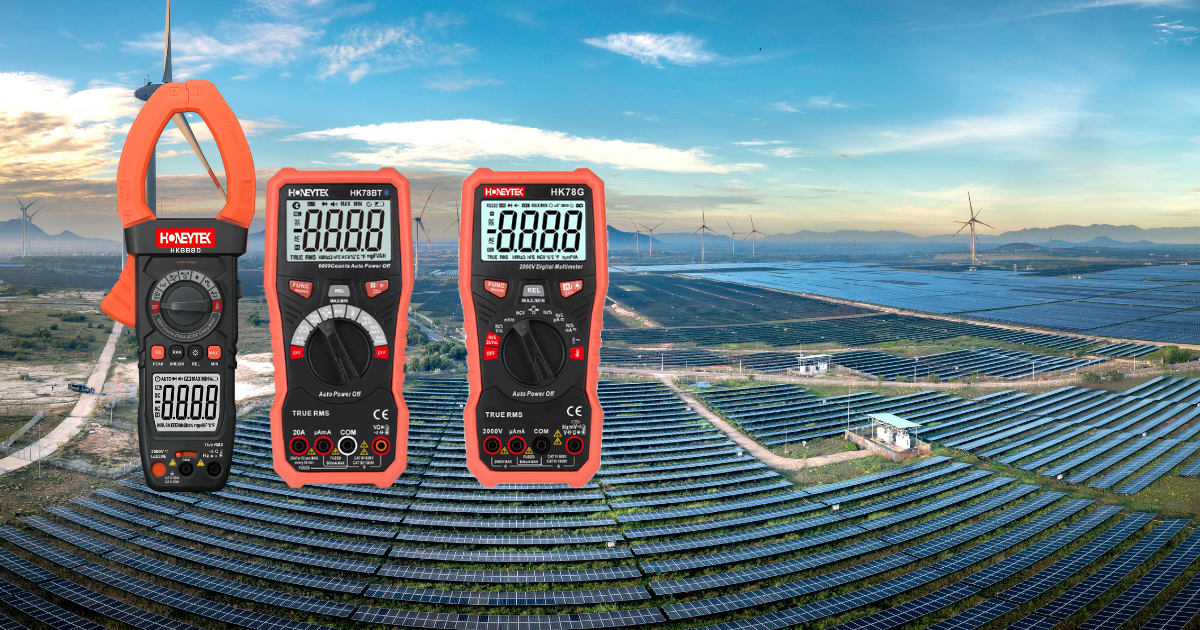
How to Cut Troubleshooting Time by 30%: A Digital Tool Guide for Efficient Solar O&M
As photovoltaic systems scale toward higher voltages and larger capacities, solar operation and maintenance (O&M) is under increasing pressure. Utility-scale and commercial PV plants demand faster fault isolation, more accurate
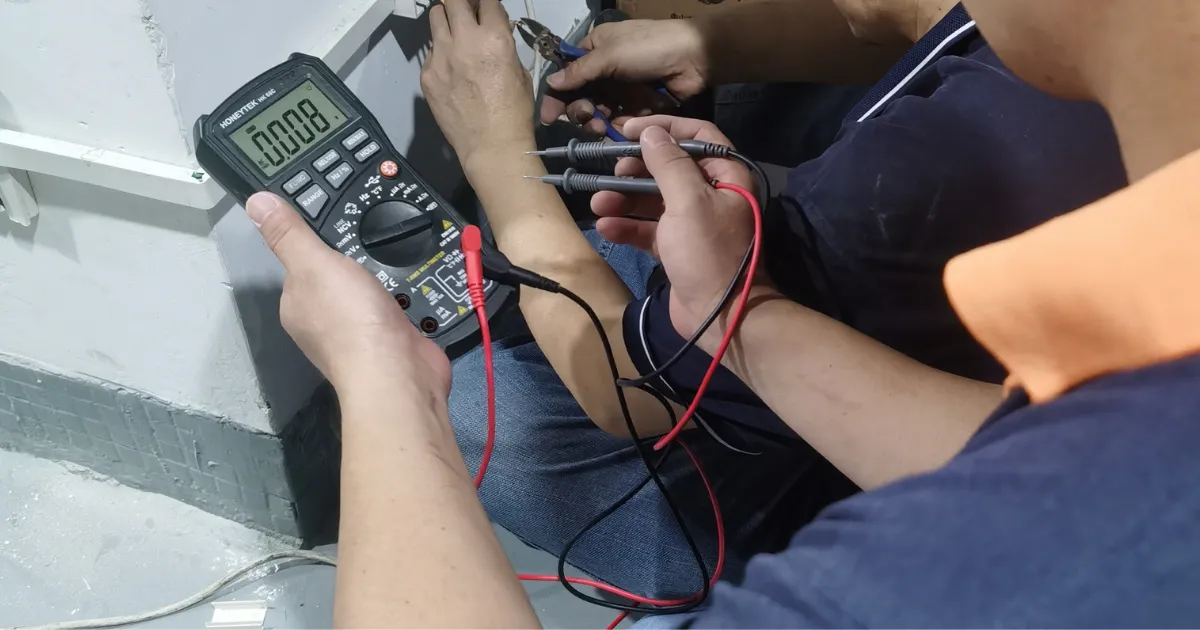
How to Measure Leakage Current by Clamping Live and Neutral
How to Measure Leakage Current With a Clamp Meter by Clamping Live + Neutral Clamping live (L) and neutral (N) together is one of the fastest field methods to check
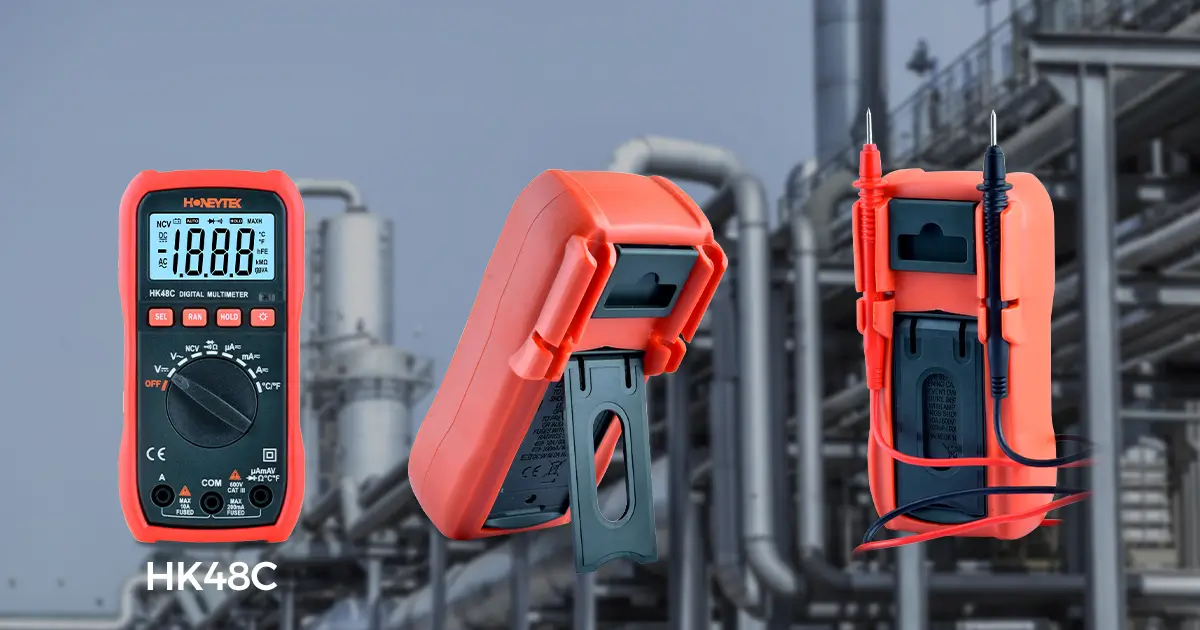
AC vs DC Leakage Current Measurement: Key Differences & Tips
AC vs DC Leakage Current Measurement: Differences and Safety Notes Leakage current testing is one of the most practical ways to spot insulation problems, moisture ingress, wiring faults, and aging
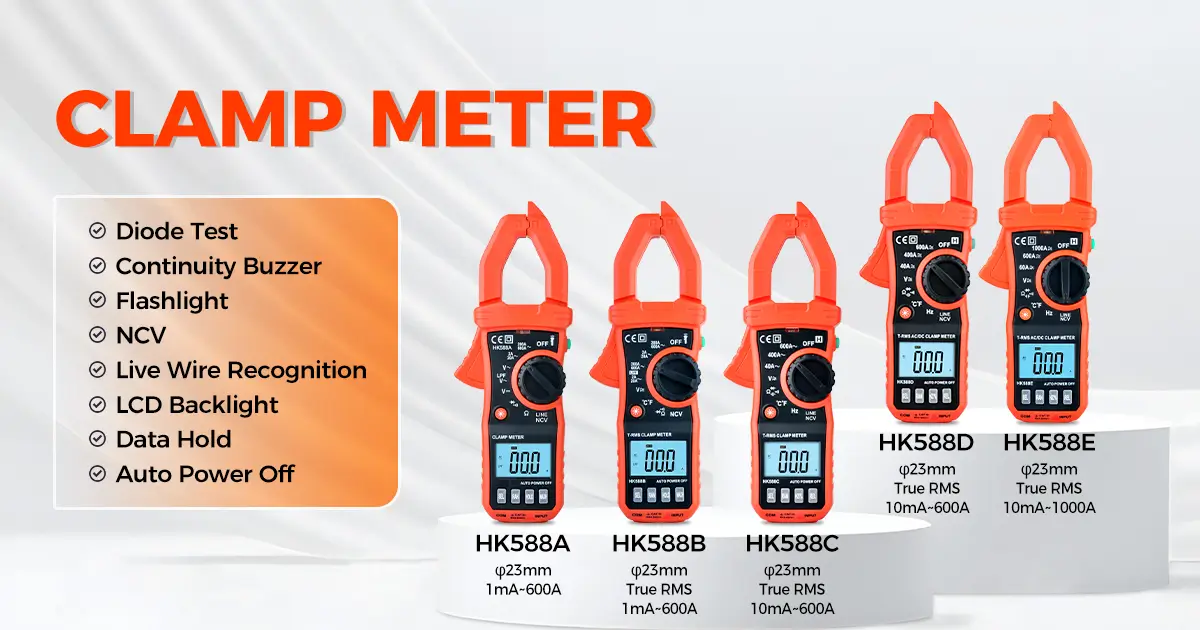
How to Select Clamp Meter Range for Leakage Current Testing
Measuring leakage current with a clamp meter is one of the fastest ways to confirm whether a circuit is “clean” or quietly bleeding current to ground. The catch is that
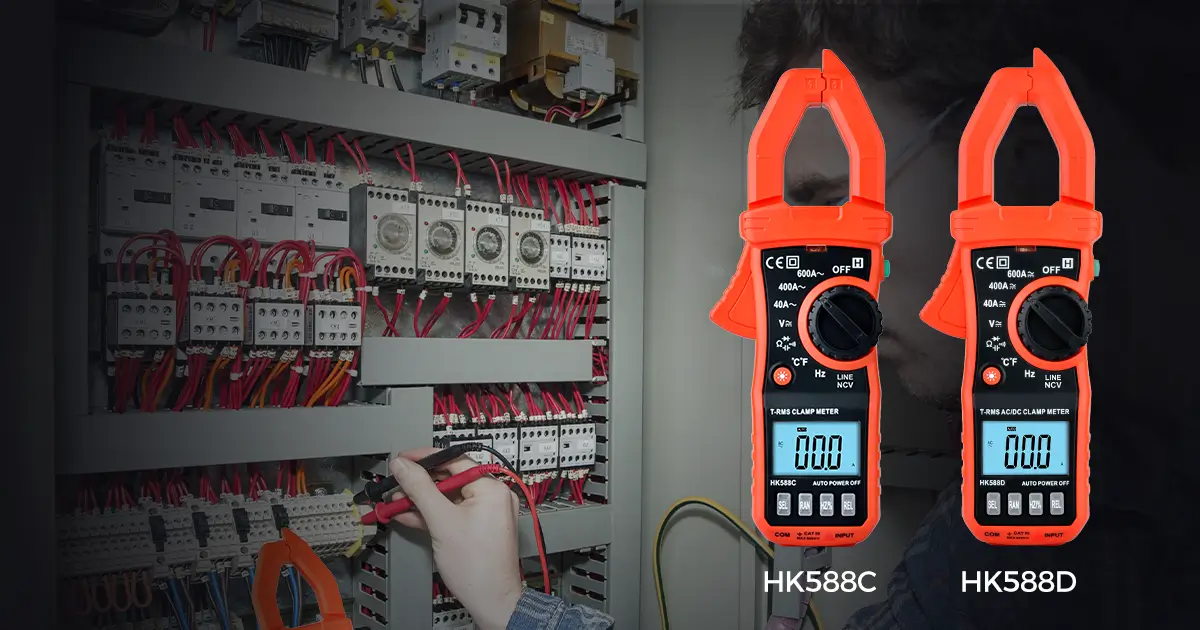
How to Choose a Clamp Meter for Electricians
A clamp meter looks simple: open the jaws, clamp a conductor, read the current. In the field, though, the “right” clamp meter is the one that matches your real workloads—distribution
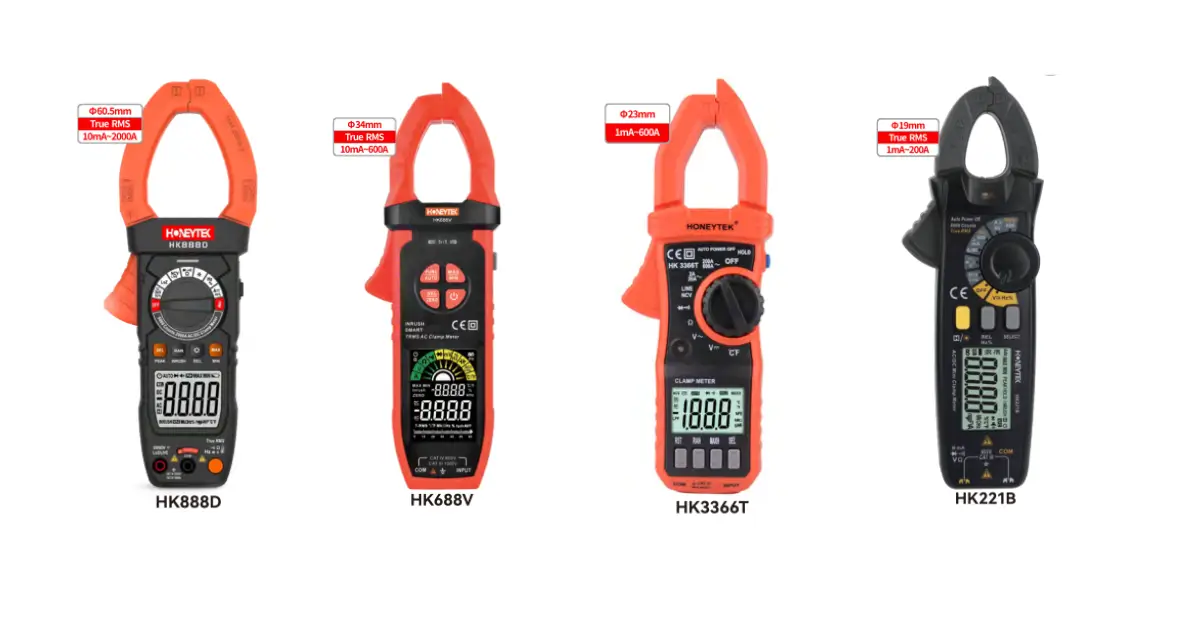
How to Choose the Right Jaw Opening for Your Digital Clamp Meter
Selecting the optimal clamp meter isn’t just about current range or True RMS capability—it starts with one often-overlooked but critical spec: jaw opening size. And in modern electrical environments, the
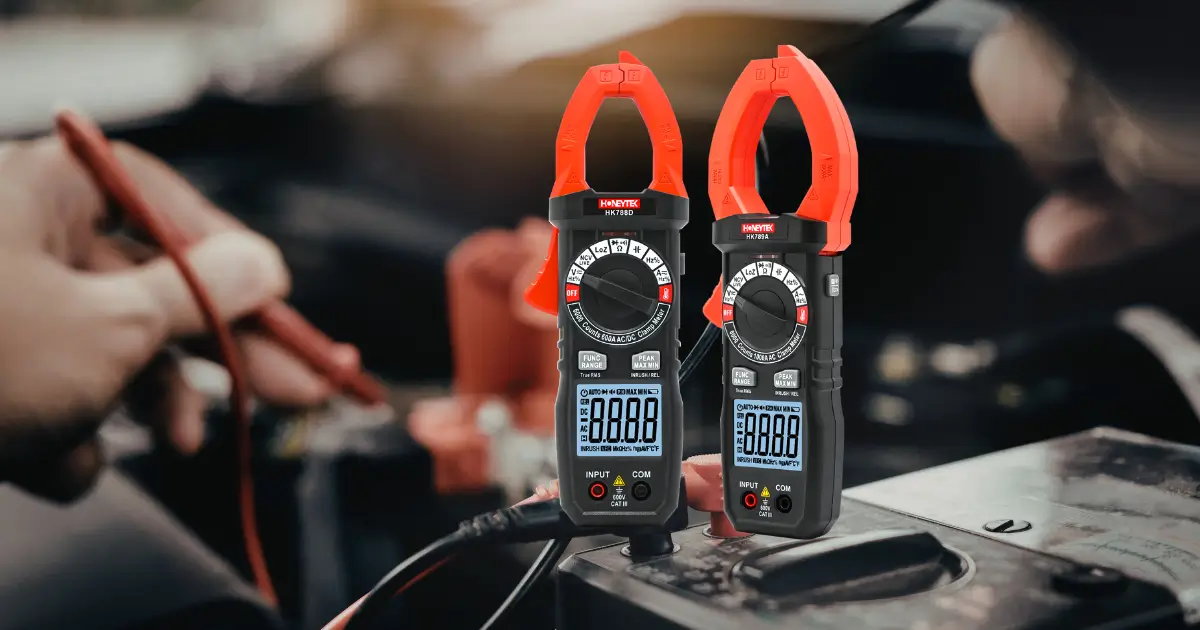
Key Specifications for Choosing an Industrial High-Current Clamp Meter
Industrial electricians and maintenance engineers choose a high-current clamp meter for one reason: fast, safe, non-intrusive current measurement in real panels—without breaking circuits. But “high-current” measurement is where mistakes become